
best left 4 dead vr mods 2026 is what most people type when they want the classic co-op chaos in a headset without turning setup into a weekend project. The catch is that “VR mod” can mean very different things, from a full motion-controller conversion to a simpler theater-style approach that just feels more immersive.
If you pick the wrong route, you usually get one of three outcomes, janky aim, nausea after ten minutes, or a mod that breaks after a game update. If you pick the right route, you get a surprisingly playable co-op shooter that still respects what made Left 4 Dead fun in the first place, pace, readability, and teamwork.
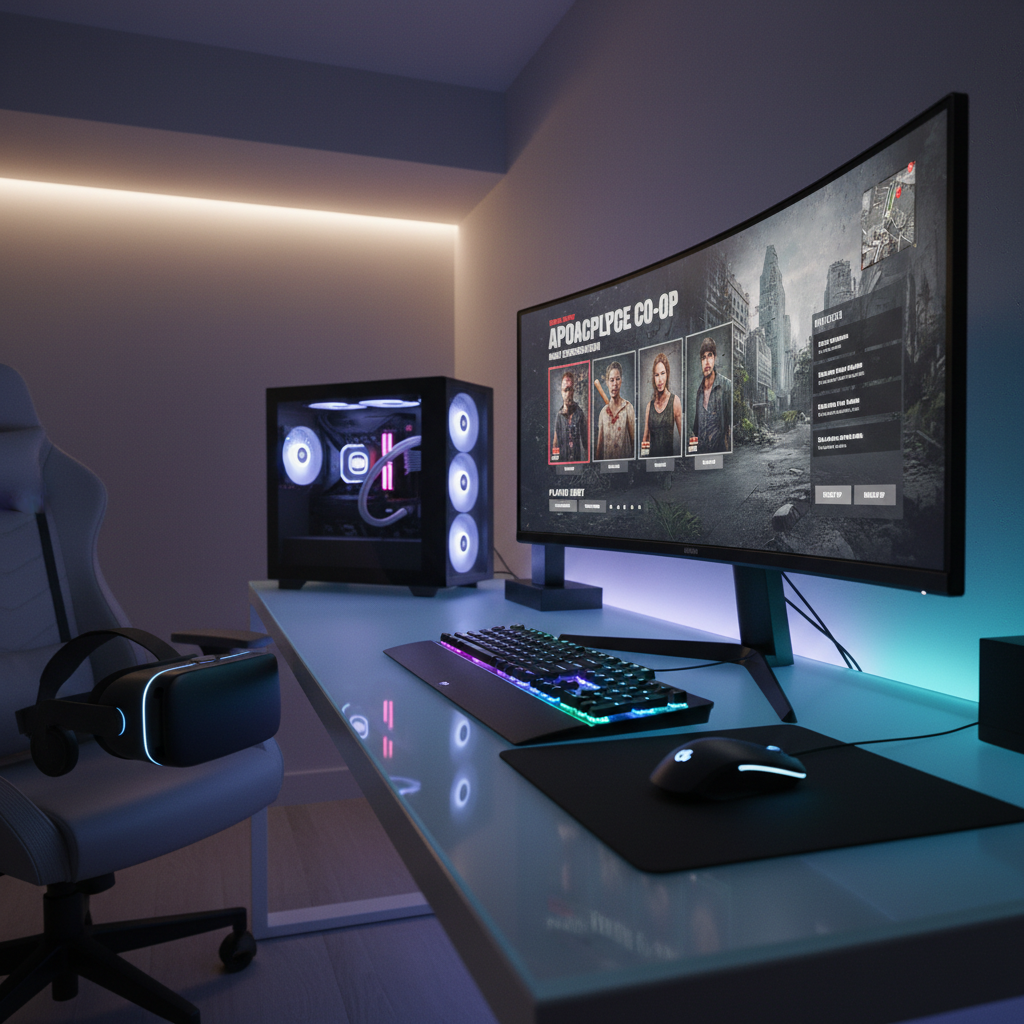
This guide focuses on what matters in 2026, which VR approach is stable, what settings reduce motion sickness, and how to sanity-check a mod before you spend hours troubleshooting. I’ll also call out the common traps, because most “it doesn’t work” reports come from the same handful of mistakes.
What “Left 4 Dead VR” usually means in 2026
There still isn’t an official VR version, so you’re typically choosing between two categories, and your expectations should match the category.
- Full VR conversion mods: motion controllers, VR hands, room-scale aiming. When done well, this is the dream, but it can be the most fragile after patches.
- VR injector / runtime solutions: you play the normal game with VR stereoscopic rendering and head tracking, sometimes with gamepad or mouse/keyboard for input. Less “VR-native,” often more consistent.
Many “best left 4 dead vr mods 2026” lists mix these together, which is why people end up disappointed. Decide which experience you want before you download anything.
Quick comparison table: picking the right mod approach
This table is deliberately practical: what you’ll feel when you play, what breaks most often, and who it’s for.
| Approach | How it feels | Typical pain points | Best for |
|---|---|---|---|
| Full VR conversion | Most “native VR” vibe, hand aim, close-up chaos | Version mismatch, broken bindings, jittery hands | VR veterans who can troubleshoot |
| VR injector / stereoscopic + head tracking | Immersive scale and depth, familiar controls | UI depth issues, crosshair alignment, performance | Most players who want reliability |
| “Theater mode” (big-screen in VR) | Safe and simple, minimal sickness risk | Not true VR, still feels like a flat game | New VR users, quick co-op nights |
If you only want one takeaway, don’t chase the most ambitious build if you mainly care about co-op night not getting derailed.
What makes a VR mod “good” (and what makes it miserable)
When a Left 4 Dead VR setup feels right, it’s usually because a few unglamorous details got handled well.
- Consistent frame time: spikes matter more than average FPS in VR, especially during hordes.
- Correct world scale: off-scale environments make movement feel “floaty” and can trigger nausea faster.
- Weapon alignment: if your aim point and your view disagree, you’ll miss shots and blame yourself.
- Readable UI: health, teammate outlines, and item prompts need to stay legible in stereoscopic view.
- Input sanity: bindings that respect reload, shove, and quick-swap are non-negotiable in L4D pacing.
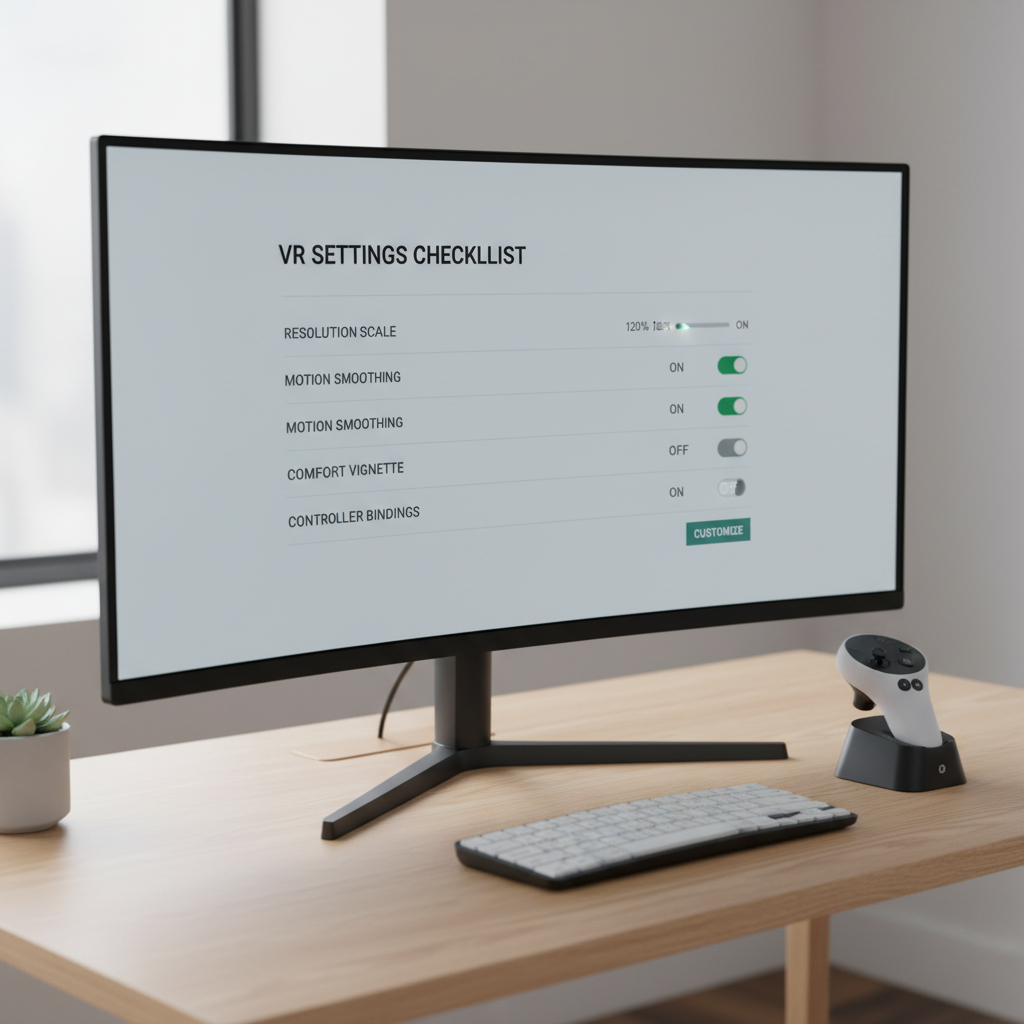
Also, be wary of mods that “work” only in a very narrow setup, for example one headset runtime, one specific branch of the game, and one old driver. That can be fine, but it should be stated clearly by the mod author.
A fast self-check: which setup should you choose?
If you’re not sure where you land, this quick checklist saves a lot of trial and error.
You’ll probably be happier with a VR injector if…
- You mainly want stable co-op with friends and minimal downtime.
- Your PC is “good” but not overbuilt, and horde fights already stress it.
- You’re sensitive to motion sickness and want more predictable comfort tweaks.
You can consider a full conversion mod if…
- You’re comfortable rolling back versions, editing config files, and remapping inputs.
- You want motion-controller aiming even if some UI elements are imperfect.
- You don’t mind occasional breakage after updates.
Theater mode makes sense if…
- You just want a bigger, more immersive screen and zero fiddling.
- You share a headset and need a low-friction setup for different users.
Most people searching best left 4 dead vr mods 2026 are really asking for “the one that won’t ruin my session,” and that tends to be injector-based or theater mode.
Practical setup steps that avoid 80% of problems
I’m keeping this platform-agnostic because the exact tools change, but the workflow stays similar across most PCVR stacks.
- Start from a clean baseline: verify game files, remove old mod folders, and clear out leftover config overrides.
- Lock versions when possible: if your mod depends on a specific build, keep a note of the working combination.
- Prioritize performance headroom: lower shadows, turn off heavy post-processing, and aim for stable frame pacing.
- Calibrate world scale and height: set floor height correctly, then re-check weapon alignment after.
- Fix the “UI depth” issue early: if menus or HUD sit at weird distances, adjust the mod’s HUD depth settings before you do anything else.
- Test in a quiet map first: don’t benchmark in a crescendo event, you won’t know what changed.
According to Valve, SteamVR’s goal is low-latency tracking and consistent rendering, and in practice that means your “comfort” improves most when you stabilize performance and avoid surprise frame spikes.
Comfort and safety: don’t brute-force your way through nausea
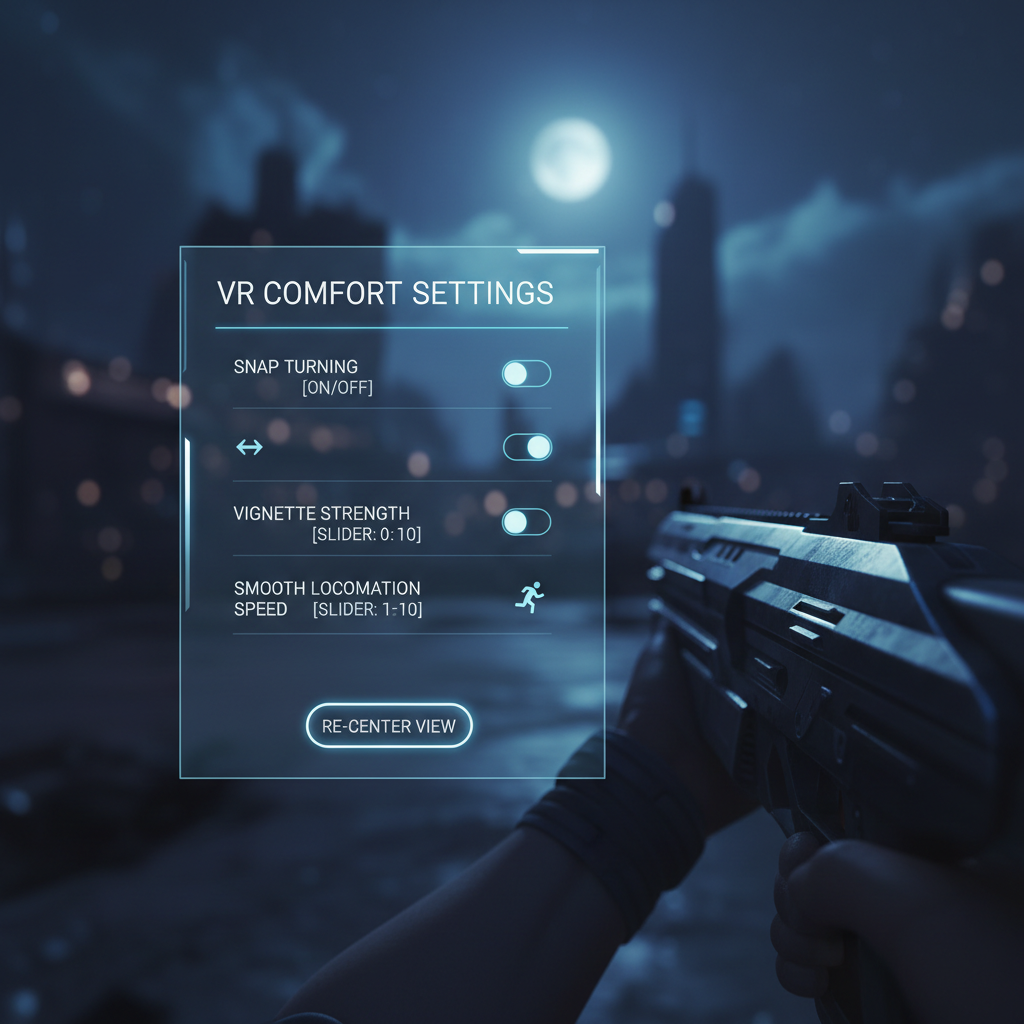
Left 4 Dead has quick turns, sudden hits, and constant motion, which can be rough in VR even for experienced players. If you feel off, stop and adjust rather than trying to “power through.”
- Use snap turning if smooth turning makes you queasy, even if it feels less cinematic.
- Add a light vignette during sprinting or sharp turns, many VR tools include this.
- Shorten sessions early on, then extend as you acclimate.
- Mind IPD and fit: poor headset fit can cause eye strain that feels like motion sickness.
If you have a history of vertigo, migraines, or other health concerns, it’s smart to be cautious and consider checking with a qualified professional if VR regularly triggers symptoms.
One more thing people forget, co-op voice chat plus VR can push you into sensory overload faster, so dialing back audio peaks or using a compressor can make longer sessions feel easier.
Common mistakes people make with Left 4 Dead VR mods
- Chasing the newest build without checking whether the mod supports it, sometimes “older but stable” is the better choice.
- Ignoring controller dead zones, which can cause drift and turn a small annoyance into constant discomfort.
- Stacking mods early, add one change at a time or you’ll never know what broke the setup.
- Assuming crosshair equals bullet path, in VR conversions the alignment can be off until calibrated.
- Underestimating horde performance, your settings might look fine in safe rooms and fall apart in real fights.
When someone says “this VR mod is trash,” it’s often a mismatch between expectation and approach, not necessarily a bad project.
When it’s worth asking for help (and what to bring)
Some issues are quick fixes, others are rabbit holes. If you’re stuck for more than an hour, getting help is reasonable, just show enough context so people can actually diagnose it.
- Your headset model, runtime (SteamVR/OpenXR path), and GPU driver version
- Whether you’re using a VR injector, full conversion mod, or theater mode
- The exact game version or branch, plus any launch options
- A short clip showing the problem, especially for jitter, scale, or UI depth
According to GitHub, well-written issue reports include clear repro steps and environment details, and mod communities tend to respond faster when you provide that upfront.
Key takeaways and a simple plan for tonight
If you want the best left 4 dead vr mods 2026 experience without drama, pick your approach first, then optimize for stability before you optimize for “wow.” A clean install, sensible performance settings, and comfort options usually beat any flashy tweak.
Action plan, choose injector-based VR for reliability, do a five-minute calibration in a quiet map, then run one full campaign before you add extra mods or reshade tools. If something feels off, fix alignment and frame pacing before you blame your aim.
FAQ
What is the easiest way to play Left 4 Dead in VR in 2026?
In many setups, the easiest path is a VR injector or theater mode, because you keep the game’s normal input and reduce the number of moving parts that can break after updates.
Do the best left 4 dead vr mods 2026 require motion controllers?
Not necessarily, some of the more playable setups rely on head tracking and stereoscopic rendering while keeping mouse/keyboard or a gamepad for shooting, which can feel surprisingly solid.
Why does the HUD look “too close” or “too far” in VR?
That’s usually a UI depth issue in stereoscopic rendering. Look for HUD distance, convergence, or world-scale settings in your VR tool, and adjust before you tweak graphics.
How do I reduce stutter during horde fights in VR?
Lower settings that spike frame time, shadows and post-processing are common culprits, then test in a heavy combat section. Stable frame pacing tends to matter more than a higher average FPS.
Is motion sickness common with Left 4 Dead VR mods?
It can be, because the game has fast turns and sudden impacts. Snap turn, a light vignette, and shorter sessions often help, and it’s fine to stop if symptoms show up.
Can I play co-op with friends who aren’t in VR?
Often yes, because most VR solutions run on top of the standard PC version, but compatibility depends on the specific mod or injector and how it handles input and camera.
What should I do if a mod stops working after an update?
Check the mod page for the supported game version, roll back if that’s an option, and remove extra add-ons until the base VR setup works again, then add changes back one at a time.
If you’re trying to sort through best left 4 dead vr mods 2026 and you’d rather not gamble on random downloads, it can help to share your headset, PC specs, and what experience you want, full motion controls versus “stable co-op in VR,” and then build a shortlist around that goal.