
best gorilla tag tips 2026 isn’t really about secret exploits, it’s about getting consistent movement and making better decisions under pressure, so you stop feeling like everyone else “just flies” while you bounce off walls.
If you play a lot in public lobbies, you’ve probably noticed the same pain points: you miss easy climbs, you overcommit on chases, and you panic when a lava ape cuts off your route. The good news is most of that is fixable without grinding for months.
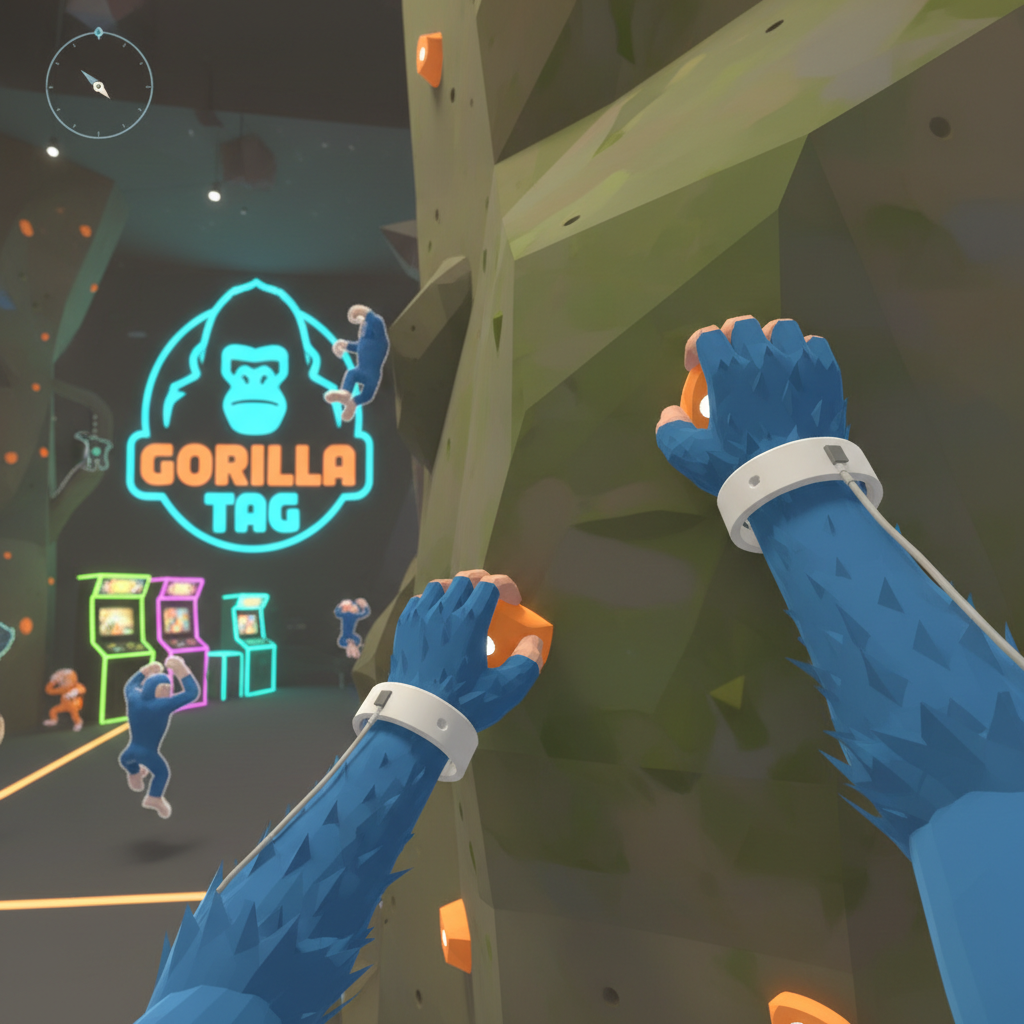
This guide focuses on the stuff that actually moves your win rate: cleaner mechanics, smarter routes, and a few settings habits that reduce mistakes. You’ll also get a quick self-check, a practice plan, and map-specific reads for 2026-style lobbies where players punish sloppy movement fast.
What actually changed in 2026 lobbies (and why it matters)
Even if the core game feels the same, the average lobby skill tends to climb over time. In practice, that means you get tagged more often for the same mistakes that used to slide by.
- Better cornering and cutoffs: more players stop chasing your back and start taking the angle.
- Cleaner climbs: “messy” hand placements get punished because you lose speed at the worst moment.
- More bait-and-switch: strong runners fake a route, then double back once you commit.
So when people search best gorilla tag tips 2026, what they usually need is not a new trick, it’s a tighter baseline: movement consistency plus smarter decisions.
Movement fundamentals that make everything easier
If you only fix one category, fix this one. Most tags happen because you lose speed on contact, waste motion on extra swings, or aim at the wrong surface.
Hand placement: the “quiet hands” rule
When you climb or wall-run, try to keep your hands quiet: fewer frantic micro-swipes, more deliberate contact. A lot of “I slipped” moments are really “I hit the wall at a bad angle.”
- Touch surfaces with your palm direction more parallel to the wall, not stabbing into it.
- Favor two clean pushes over four messy ones, speed comes from clean transfers.
- When you miss, reset quickly instead of fighting the wall and burning momentum.
Turn with your route, not with your wrists
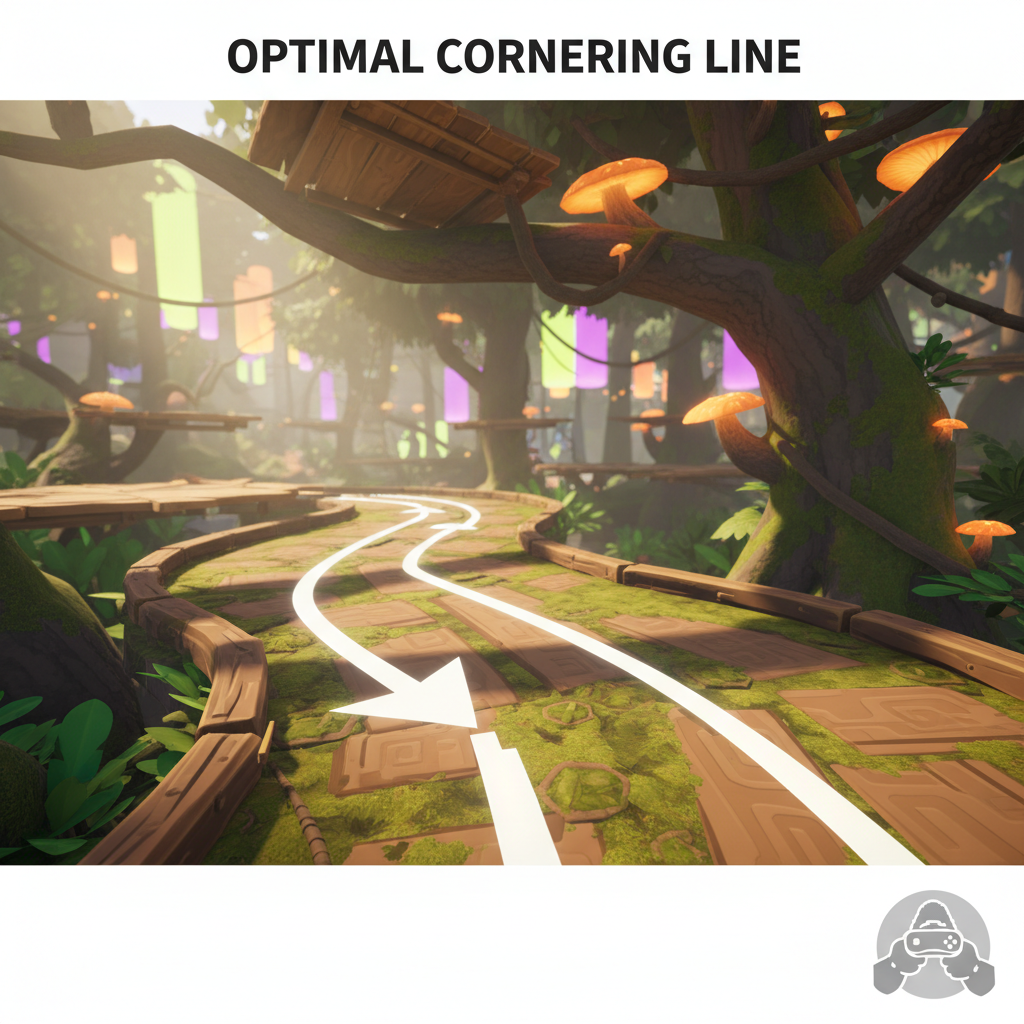
Many players over-rotate their arms to turn, which adds wobble and kills speed. Instead, plan turns earlier so your pushes naturally arc into the new line.
According to Meta (Quest’s official guidance on VR comfort), reducing sudden, unnecessary motions can help with comfort for many users, which also tends to reduce panic movement and misinputs.
Speed control: stop sprinting at 100% all the time
This sounds backwards, but constant max-output can make you slower because you overshoot grips and lose traction on transitions. In chases, try running at “90%” until the moment you need a burst.
- 90% when you’re setting up a turn, climb, or jump.
- 100% only when you have a clean surface and a clear exit.
- 70% when you’re baiting a commit, slower can be smarter.
Quick self-check: what’s actually holding you back?
Before you copy someone’s movement, figure out where you leak time. This checklist takes two minutes and it’s surprisingly revealing.
- You get tagged near walls more than open areas → hand angle, timing, and corner setup need work.
- You miss climbs under pressure → you’re reaching too far or pushing too late.
- You always get cut off → your routes are predictable, you run “the obvious line.”
- You tag someone, then lose them → your tracking and patience need tightening.
- You feel motion sick or tense after matches → comfort and pacing adjustments may help, consider breaks.
If you’re here for the best gorilla tag tips 2026 and you check three or more boxes, don’t add advanced tech yet, build a consistent base first.
Map reads and chase logic (the part most guides skip)
Mechanics matter, but decision-making is what turns “fast” into “hard to tag.” Most players lose because they choose routes that make them easy to predict.
Run to your next decision point
Instead of “run away,” think “run to the next fork.” A fork is any spot where you can choose two exits: a drop vs a wall, a tunnel vs open space, a climb vs a loop.
- Pick paths that give you two options, not one.
- If you’re lava, herd runners toward single-exit zones and force mistakes.
- If you’re running, avoid showing your full plan too early, sell one route, take another.
Cutoffs: win without being faster
When you chase, don’t mirror. If you stay behind someone’s line, you’re asking to lose. Cutoffs come from predicting where they must be, not where they are.
- Watch their shoulder direction and the angle of their last push.
- Take one wider arc to meet them at the exit.
- If you miss the cutoff, don’t keep forcing it, reset and re-read.
Settings and comfort tweaks that reduce mistakes
Settings won’t magically make you better, but they can reduce friction. When the game “feels off,” it usually shows up as missed grips, late turns, and sloppy jumps.
| Area | What to check | Why it helps |
|---|---|---|
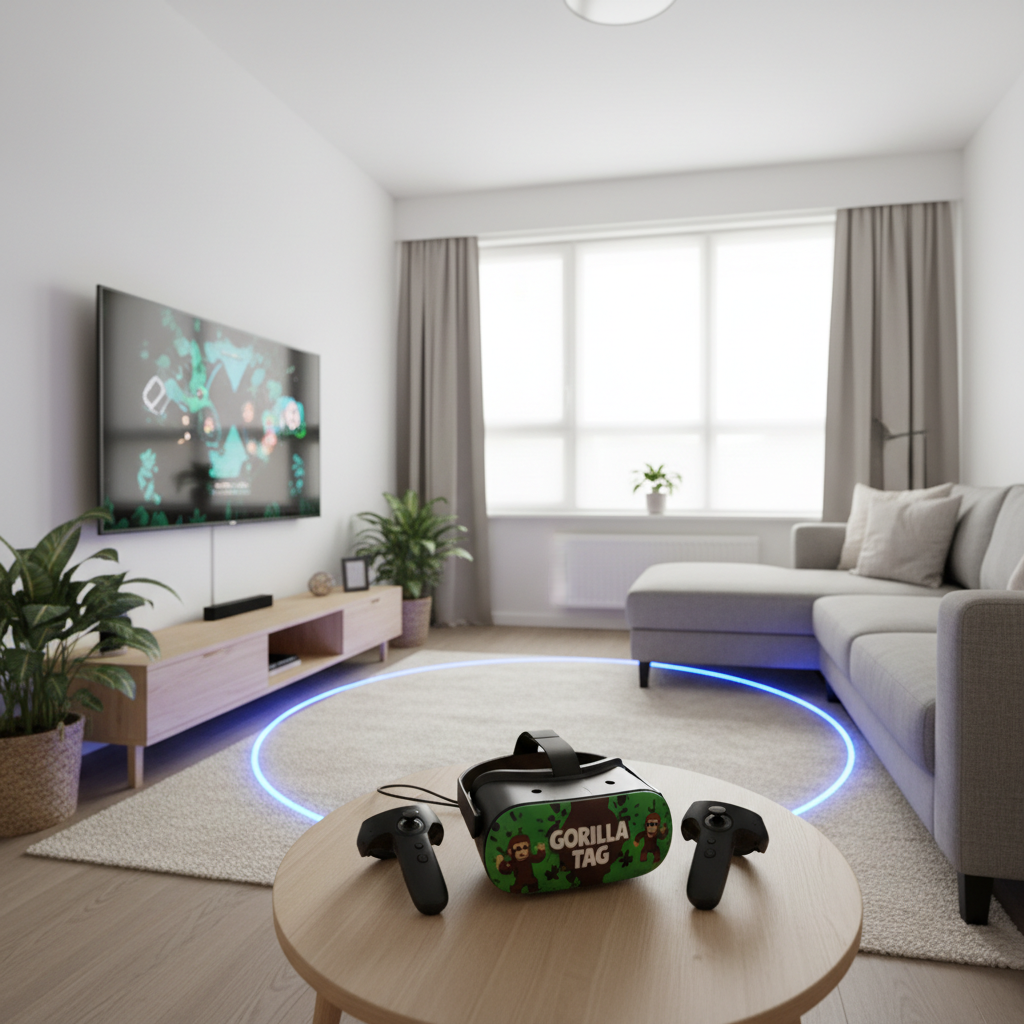
| Play space | Clear boundaries, stable floor grip | Fewer hesitations and safety stutters |
| Headset fit | Secure strap, lens clarity | More confident turns and tracking |
| Controller grip | Comfortable hold, wrist angle neutral | Cleaner hand placement under pressure |
| Warm-up | 2–3 minutes basic routes | Less “cold hands” movement errors |
According to CDC, taking breaks and keeping your play area safe can reduce injury risk in active play. VR can be physical, so it’s worth treating it like a sport, even if it looks silly from the outside.
A simple 20-minute practice plan (that doesn’t feel like homework)
If you want improvement fast, repetition beats novelty. This routine works because it isolates the exact moments where tags happen.
5 minutes: “clean climb” reps
- Pick one wall or climb route you often mess up.
- Do slow, perfect reps for two minutes, then speed up.
- Stop each time you slip and ask, “angle or timing?”
7 minutes: cornering and exits
- Run a loop with 3–5 corners.
- Focus on entering wide and exiting tight, like racing lines.
- Repeat until the corners feel automatic.
8 minutes: chase reads (with intention)
- In a lobby, don’t chase to tag, chase to practice cutoffs.
- Pick one runner and predict their next fork, then test the read.
- If your read fails twice, switch targets, avoid tilt.
Do this three times a week and you’ll usually feel the difference. And yes, this is part of what people mean when they ask for best gorilla tag tips 2026, it’s boring on paper, but it works in real lobbies.
Common traps that waste time (even for good players)
Some habits look skilled but actually cap you.
- Over-flicking: big panic swipes feel fast, but you lose traction and control.
- Always taking the same escape: predictable routes make you easy to herd.
- Chasing the back: if you’re directly behind, you need them to make a mistake, that’s not a plan.
- Trying “advanced tech” too early: it can hide fundamentals issues and slow you down long-term.
One more thing people rarely say out loud: if your arms are tired, your mechanics degrade and you start missing easy contacts. Rest can be a skill choice, not a weakness.
When to get help or change your setup
If you feel persistent wrist, shoulder, or neck pain, or dizziness that doesn’t fade after breaks, it’s smart to stop and consider talking with a healthcare professional. VR play can be intense, and pushing through pain often makes things worse.
If your issue is purely performance, recording short clips and reviewing one mistake at a time can do more than another hour of matches. A friend who’s slightly better than you can also spot route predictability faster than you can.
Key takeaways you can use tonight
- Clean hand contact beats frantic speed, quiet hands create consistent traction.
- Run to forks, not just “away,” always keep two exits available.
- Cutoffs beat mirror chases, win with angles, not effort.
- Practice small, one wall, one loop, one read, then repeat.
If you want a quick start, pick one map area you struggle with, do ten clean reps, then play two matches focusing only on exits and cutoffs, that alone usually makes these best gorilla tag tips 2026 feel real instead of theoretical.
FAQ
What are the best gorilla tag tips 2026 for beginners?
Start with clean climbs and cornering, because that’s where most beginner tags happen. If you can move without slipping, you’ll feel “faster” even before you learn any fancy routes.
How do I stop slipping off walls in Gorilla Tag?
Most slipping comes from hitting the wall at a steep angle or pushing too late. Slow down for a few reps, focus on palm direction and timing, then bring speed back in.
Is it better to run in open areas or stay near walls?
Walls give you options, but they also punish messy contact. If your wall movement is inconsistent, open routes can be safer until you build reliable climbs and turns.
How do I tag better players who are faster than me?
Don’t chase their back. Look for forks and take the angle to meet them at an exit, it’s more about prediction than raw speed.
What should I practice first: speed or control?
Control. Speed without control turns into missed grips and bad exits, and better lobbies will punish that every time.
Do headset settings really affect performance?
They can. A secure fit and clear vision reduce hesitation, and hesitation is basically free distance for the runner. Settings won’t replace practice, but they remove easy friction.
How often should I practice to improve noticeably?
Many players see progress with three short sessions a week if the practice is focused. Twenty intentional minutes usually beats two hours of unfocused chasing.
If you’re trying to improve fast and you’d rather not guess what to drill, a simple approach is to pick one weakness from the self-check, record a short clip, then build a tiny weekly routine around it, it keeps progress measurable without turning Gorilla Tag into a job.