
top games with superhero themed combat usually come up when you want that specific mix of power fantasy and tight mechanics, but every “superhero game” scratches a different itch.
Some lean into brawling and crowd control, some feel closer to an action RPG with builds and cooldowns, and a few are basically fighting games where “superpowers” are just another way to talk about spacing and frame advantage. If you buy based on the costume alone, it’s easy to land on something that feels floaty, grindy, or oddly underpowered.
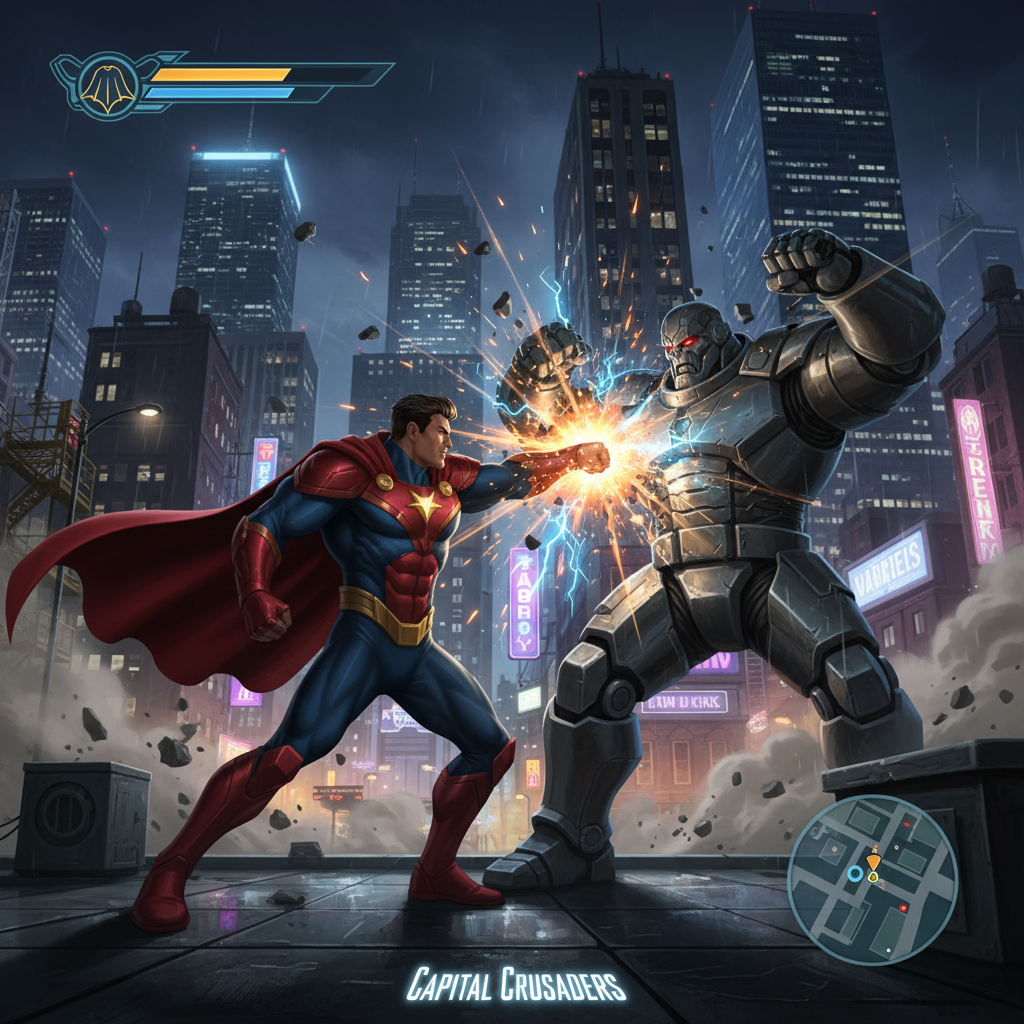
This guide focuses on what matters in practice: how the combat feels minute to minute, what kind of progression you’re signing up for, and which games reward mastery versus button-mashing. You’ll also get a quick table for comparison, plus a short checklist to pick the right fit.
What “superhero-themed combat” really means in games
In most cases, superhero combat is less about capes and more about mobility, crowd control, and spectacle. That can show up in different systems, and knowing the category saves time.
- Arkham-style freeflow brawling: rhythmic counters, gadget interruptions, big multi-enemy rooms.
- Character action (spectacle fighters): combo expression, cancels, style systems, air juggles.
- Action RPG superhero kits: cooldown abilities, gear stats, “build” identity, co-op loops.
- Traditional fighters with superhero rosters: matchups, neutral, meter management, high execution ceilings.
According to ESRB rating descriptors, superhero games frequently include “Violence” and sometimes “Blood” or “Strong Language,” so it’s worth checking ratings if you’re buying for a teen or playing in a shared living room.
Quick comparison table: standout picks at a glance
If you just want the shortlist, this table covers a range of combat styles and time commitments. Think of it as a map, not a verdict.
| Game | Combat feel | Best for | Potential friction |
|---|---|---|---|
| Marvel’s Spider-Man Remastered | Acrobatic flow, gadgets, aerial control | Movement lovers, cinematic fights | Stealth sections may not click |
| Batman: Arkham Knight | Freeflow brawling + gadgets | Counter-based melee rooms | Batmobile-heavy pacing can divide players |
| Marvel’s Guardians of the Galaxy | Team commands, ability chaining | Story-first players who still want tactics | Not full party control, you play Star-Lord |
| inFAMOUS Second Son | Power swapping, ranged + traversal | Open-world power growth | Older title, platform-limited |
| Marvel vs. Capcom 3 | Fast tag fighter, big combos | Competitive fighters, lab time | High speed can feel chaotic early |
| DC Universe Online | MMO rotations, roles, co-op | Builds, raids, long-term play | Grind and monetization vary by preference |
Top games with superhero themed combat (and what they do best)
This list leans on combat quality and “superhero-ness” in moment-to-moment play, not just brand recognition. If you’re hunting top games with superhero themed combat, these are reliable starting points.
Marvel’s Spider-Man Remastered
The hook is momentum: dodges feel like swings, environmental interactions keep fights from getting static, and gadgets add control without turning the game into pure cooldown management. On higher difficulties, you start thinking in priorities, like webbing up a gunner before you commit to a finisher.
- Combat highlight: aerial juggling into gadget resets.
- Good sign you’ll like it: you enjoy improvising with mobility.
Batman: Arkham Knight (and the Arkham formula)
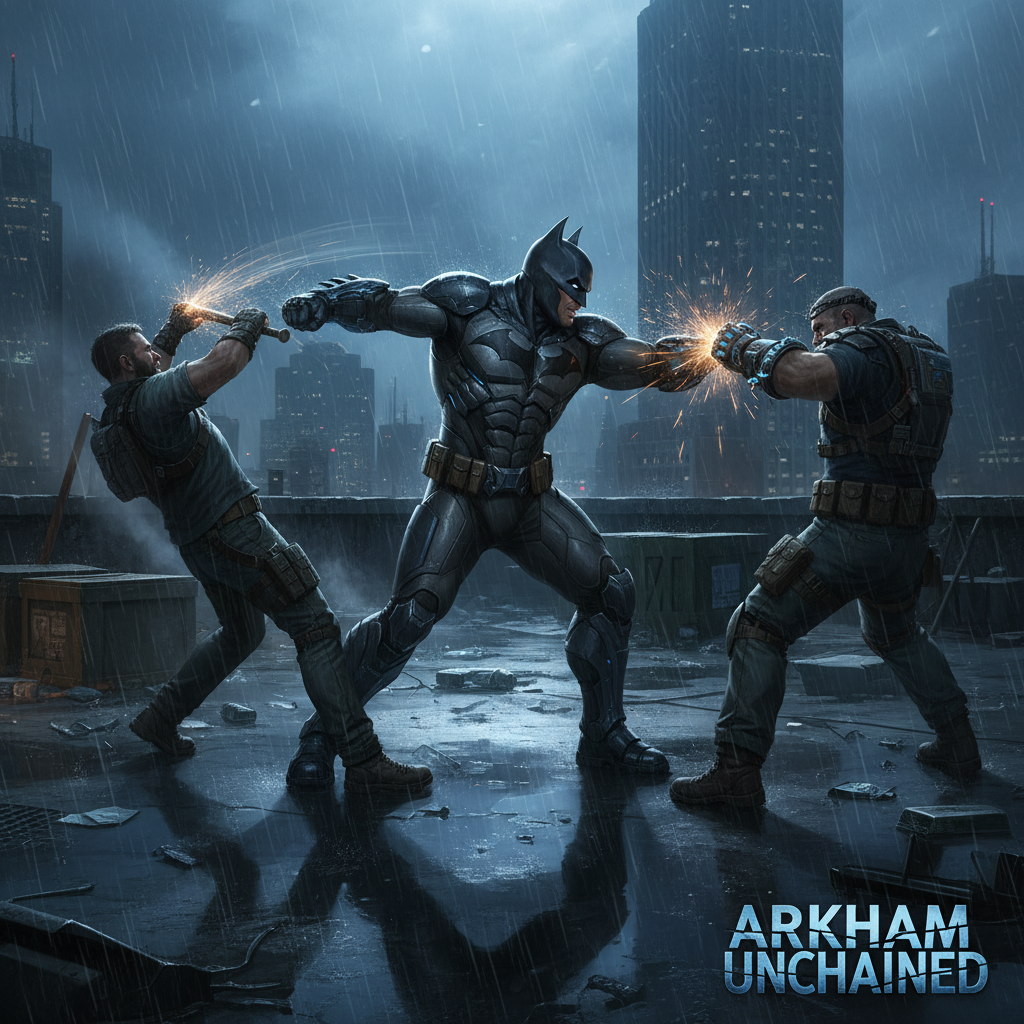
Arkham combat is “simple to start, hard to perfect.” The core is counters and flow, but mastery lives in gadget timing, enemy-type triage, and maintaining a clean combo under pressure. If your idea of superhero combat is clearing a room without getting touched, this still holds up.
- Combat highlight: predator-to-brawler transitions with gadget control.
- Watch for: if you dislike vehicle segments, pacing may irritate you.
Marvel’s Guardians of the Galaxy
This is a smart pick if you want superhero-flavored combat without endless gear spreadsheets. You issue squad commands, stack crowd control, and manage tempo while still staying active in the middle. It’s not “pure brawler,” but it rewards planning more than people expect.
- Combat highlight: ability synergies that lock down groups.
- Good sign you’ll like it: you enjoy light tactics in real time.
inFAMOUS Second Son
Superpowers here feel playful: traversal is part of the fight, and swapping abilities changes how you approach a street encounter. It’s less about perfect combo strings, more about moving fast, picking angles, and using powers to control space.
- Combat highlight: mobility-driven skirmishes across vertical spaces.
- Watch for: availability depends on your platform.
Marvel vs. Capcom 3 (or similar superhero roster fighters)
If you want superhero combat that’s truly about mastery, a tag fighter delivers. The “super” part becomes team composition, assist coverage, and explosive punish windows. It can look like chaos, but the structure is there once you learn the language.
- Combat highlight: assist-based offense and high-expression combos.
- Good sign you’ll like it: you like practicing and iterating.
DC Universe Online
For players who want to live in a superhero kit, an MMO is the long road. Combat becomes rotations, roles, and group execution. It’s not as immediately “cinematic,” but when a build clicks in group content, it can feel properly heroic.
- Combat highlight: role-based teamwork in dungeons and raids.
- Watch for: progression loops and monetization tolerance vary a lot by player.
A fast self-check: which combat style fits you?
People searching for top games with superhero themed combat often want the same thing but describe it differently. This quick check narrows it down.
- “I want to feel fast, not heavy.” Prioritize Spider-Man or inFAMOUS-style mobility kits.
- “I want clean counters and room clears.” Arkham-style freeflow brawlers fit.
- “I want fights to reward planning.” Guardians-style team command combat works well.
- “I want competition and a skill ceiling.” Go for Marvel vs. Capcom-style fighters.
- “I want a forever game with builds.” An MMO like DC Universe Online makes sense.
If you’re buying for a household, also check accessibility options and content ratings. According to PEGI and ESRB guidance, ratings and descriptors can be a more useful signal than trailers when you’re trying to avoid specific content.
Practical buying tips (platform, co-op, time, and difficulty)
Here’s where many purchases go sideways: you pick a “superhero game,” then realize you actually wanted co-op, or you hate loot, or the difficulty curve punishes casual play.
- If you want co-op: look for systems built around team roles or coordinated abilities, not just “two people in the same room.”
- If you hate grinding: favor narrative action games over loot-driven action RPG loops.
- If you’re short on time: pick games with satisfying 20–40 minute sessions, where side content is optional rather than required.
- If you care about challenge: see whether higher difficulties add smarter enemy behavior versus just extra health.
- If you get motion sensitivity: fast camera swings and heavy motion blur can be rough; adjust settings when available, and consider consulting a healthcare professional if symptoms persist.
Common mistakes (what to avoid before you buy)
A lot of disappointment comes from mismatched expectations, not “bad games.” A few traps show up again and again.
- Confusing brand with combat depth: a famous hero does not guarantee your preferred fighting style.
- Assuming every superhero game is a brawler: some are ability-rotation games with stats, others are pure action.
- Overvaluing open worlds: bigger maps sometimes mean repeated encounters and diluted pacing.
- Ignoring input feel: camera, lock-on, dodge timing, and hit-stop matter more than flashy ultimates.
- Buying for “endgame” without enjoying the base loop: if minute one feels off, hour thirty rarely fixes it.
If your goal is specifically top games with superhero themed combat, prioritize footage that shows unedited encounters and difficulty modes, not only cinematic trailers.
Key takeaways and a simple next step
If you want superhero combat that feels responsive, start by choosing the combat category you actually enjoy: mobility-driven action, counter-based brawling, tactical squad control, competitive fighting, or MMO builds. Once that’s clear, your odds of landing on a game you’ll finish jump a lot.
Pick one title from the table, watch 10 minutes of real combat on the difficulty you’d play, then decide. That small step saves more money than any “top 10” list ever will.
FAQ
What are the top games with superhero themed combat if I only care about movement?
Mobility-forward games tend to feel the most “superhero” minute to minute. Look for combat built around traversal and aerial control, where dodging and positioning do as much work as raw damage.
Which superhero games have the most skill-based melee combat?
Arkham-style systems reward timing and target selection, while fighting games reward execution and matchup knowledge. If you want a high ceiling, competitive fighters usually go further, but they ask for practice.
Are there good superhero combat games that aren’t loot grinders?
Yes. Many narrative action games focus on authored encounters and ability kits without pushing constant gear replacement. If you dislike inventory management, that’s typically the safer lane.
What should I look at besides reviews when picking a superhero combat game?
Watch raw combat clips, check difficulty options, and confirm whether the game’s core loop matches your tolerance for repetition. Also verify platform performance and control options, since input feel can make or break combat.
Do superhero-themed combat games work well for co-op?
Some do, but it depends on whether co-op is foundational or just a mode. Games designed around roles, synergies, and coordinated ability use usually feel better than ones that simply add extra players.
How do content ratings help when choosing superhero games for teens?
Ratings and descriptors can flag things trailers gloss over, like strong language or specific violence details. According to ESRB, descriptors are meant to help families match content to comfort level.
Is “superhero combat” better in third-person action or in fighters?
Third-person action often sells the fantasy through camera work, traversal, and spectacle. Fighters often deliver deeper combat systems. The better choice is the one that matches how you like to learn and improve.
If you’re trying to narrow down top games with superhero themed combat without wasting a weekend on refunds, share your platform, whether you want co-op, and one combat game you already love, and I can suggest a tighter shortlist with a “why this fits” breakdown.