
top games with wind and weather manipulation are worth hunting down because they change more than the skybox, they shape movement, combat, stealth, and even how you plan a route.
If you have ever played a “weather feature” that amounted to rain particles and a darker filter, you already know the frustration, the promise sounds huge, the impact feels tiny. The good news is there are games where wind and storms are real systems, not just mood.
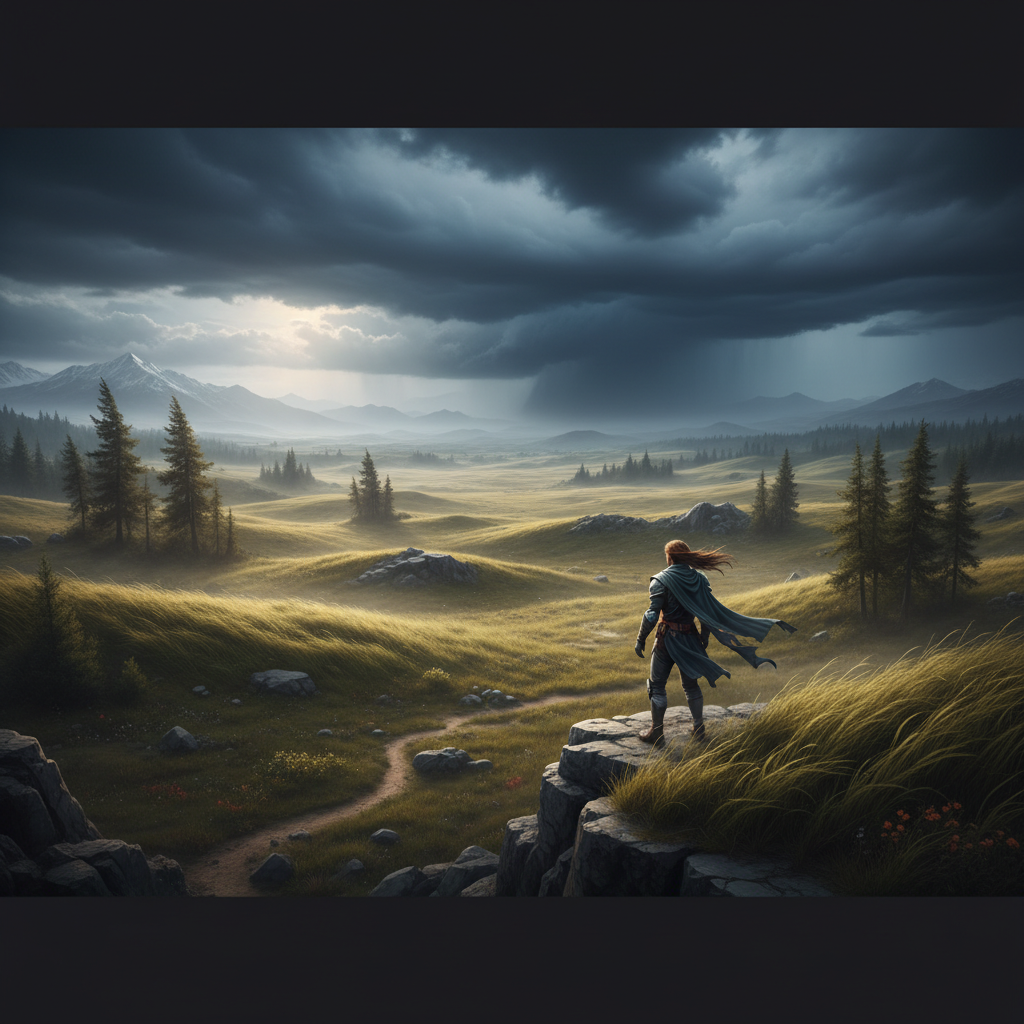
This guide focuses on games where you can directly manipulate wind or weather, or where the environment responds strongly enough that it feels like you are “playing the forecast.” I’ll also call out what to look for so you do not waste time on shallow implementations.
What “wind & weather manipulation” actually means in games
People use the phrase loosely, so it helps to separate three tiers that feel very different in play.
- Direct manipulation tools: you cast a spell, use a device, or trigger an ability that changes wind direction, creates storms, or clears weather.
- System-driven weather you can influence: you may not control the clouds at will, but your actions can trigger conditions, or the game gives you reliable ways to prepare and exploit them.
- Reactive weather (no control): the world changes and it matters, but you are mostly adapting rather than manipulating.
This list leans heavily on the first two, because that’s where the “manipulation” part feels honest.
Quick comparison table: which games scratch which itch
Here’s a fast way to sort options before you dive into details. Ratings below are qualitative, because the “right” pick depends on whether you want tactics, exploration, or pure spectacle.
| Game | What you manipulate | How it affects gameplay | Best for |
|---|---|---|---|
| The Legend of Zelda: Tears of the Kingdom | Wind (via devices), weather exploitation | Travel, combat setups, traversal planning | Sandbox creativity |
| The Legend of Zelda: Breath of the Wild | Wind (tools/physics), weather exploitation | Gliding, fire spread, stealth and climbing decisions | Exploration and improvisation |
| Ghost of Tsushima | Wind (Guiding Wind) | Navigation without HUD clutter | Cinematic open-world navigation |
| Genshin Impact | Wind and storms (Anemo skills) | Crowd control, movement tech, elemental combos | Action RPG team synergies |
| Horizon Forbidden West | Weather and wind systems (reactive) | Visibility, mood, some combat readability changes | High-fidelity open world |
| Microsoft Flight Simulator | Wind layers, turbulence, storms (simulation) | Flight handling, planning, safety decisions | Serious weather simulation |
Top picks where wind and weather feel like real mechanics
Below are the standouts that most consistently come up when players search for top games with wind and weather manipulation, with a practical note on what makes each one more than visual flair.
The Legend of Zelda: Tears of the Kingdom
If you want wind as a toybox, this is hard to beat. Zonai devices, physics, and vertical level design make “creating airflow” feel like engineering rather than a single button press.
- Why it works: wind interacts with gliders, vehicles, and enemy control, so you feel clever when you build around it.
- What to expect: less “summon a hurricane,” more “use systems to generate advantage,” which is usually more satisfying long-term.
The Legend of Zelda: Breath of the Wild
It’s the older sibling, but the weather still dictates moment-to-moment choices in a way few open-world games match, especially when rain changes climbing risk and lightning punishes sloppy gear decisions.
- Where wind shows up: gliding routes, fire behavior, and physics tricks that reward paying attention.
- Where weather matters: storms, temperature zones, and visibility shifts push you to prep, not just react.

Ghost of Tsushima (Guiding Wind)
This is a different kind of manipulation, and it’s worth calling out. You “summon” wind to guide you to objectives, which turns navigation into an in-world effect instead of a minimap chore.
- Why players love it: it preserves immersion, you look at the world, not icons.
- Limit: it’s not combat weather control, it’s a navigation system wearing a beautiful costume.
Genshin Impact (Anemo + weather interactions)
If your idea of weather manipulation is more “battlefield control,” Anemo characters can pull, lift, and swirl elements, and some regions feature environmental conditions that change how fights feel.
- What feels like wind control: grouping enemies, launching targets, redirecting elemental effects.
- What’s more limited: you are not dynamically rewriting the global forecast on command, it’s ability-driven.
Microsoft Flight Simulator (weather as the main character)
This one is for players who want wind shear, turbulence, and cloud layers to be the challenge, not background. It’s not a power fantasy, it’s decision-making under conditions.
- Why it counts: wind and storms directly affect handling and route planning.
- Reality check: the learning curve can be real, especially if you lean into more realistic settings.
Horizon Forbidden West (reactive weather that influences feel)
It’s not “cast weather,” but the game does a strong job making storms and wind feel present in exploration and big fights, mostly through readability, atmosphere, and how you choose encounters.
- Best expectation: you adapt to conditions rather than control them.
- Why it still belongs: the environment has weight, and it changes your pace.
Self-check: are you looking for control, or just impactful weather?
Before you buy anything, it helps to be honest about what you mean by “manipulation,” because this is where people get disappointed.
- You want a button that changes weather: look for spell systems or devices that explicitly create wind, fog, storms, or clear skies.
- You want systems you can exploit: physics-heavy sandboxes and survival mechanics tend to deliver better than scripted set pieces.
- You want weather that changes tactics: prioritize games where visibility, traction, temperature, or flight handling shifts with conditions.
- You mostly want vibes: plenty of games do gorgeous storms, just do not expect them to change outcomes.
If you’re comparing reviews, search for phrases like “affects traversal,” “changes enemy behavior,” “visibility,” “physics,” and “build interactions,” those usually signal real mechanics.
Practical tips to get more “weather gameplay” out of any pick
Even within the top games with wind and weather manipulation, a lot of the fun comes from how you play, not just what the game allows.
- Turn off extra HUD where possible, especially in games like Ghost of Tsushima, wind-based navigation shines when you stop staring at markers.
- Experiment during bad conditions instead of waiting them out, storms often reveal hidden mechanics such as elemental interactions or movement tech.
- Build a “weather kit” loadout (resistances, mobility tools, alternate weapons) so weather becomes an advantage, not a pause screen problem.
- Try challenge rules like “no fast travel during storms,” it sounds small, but it forces you to plan around wind and routes.
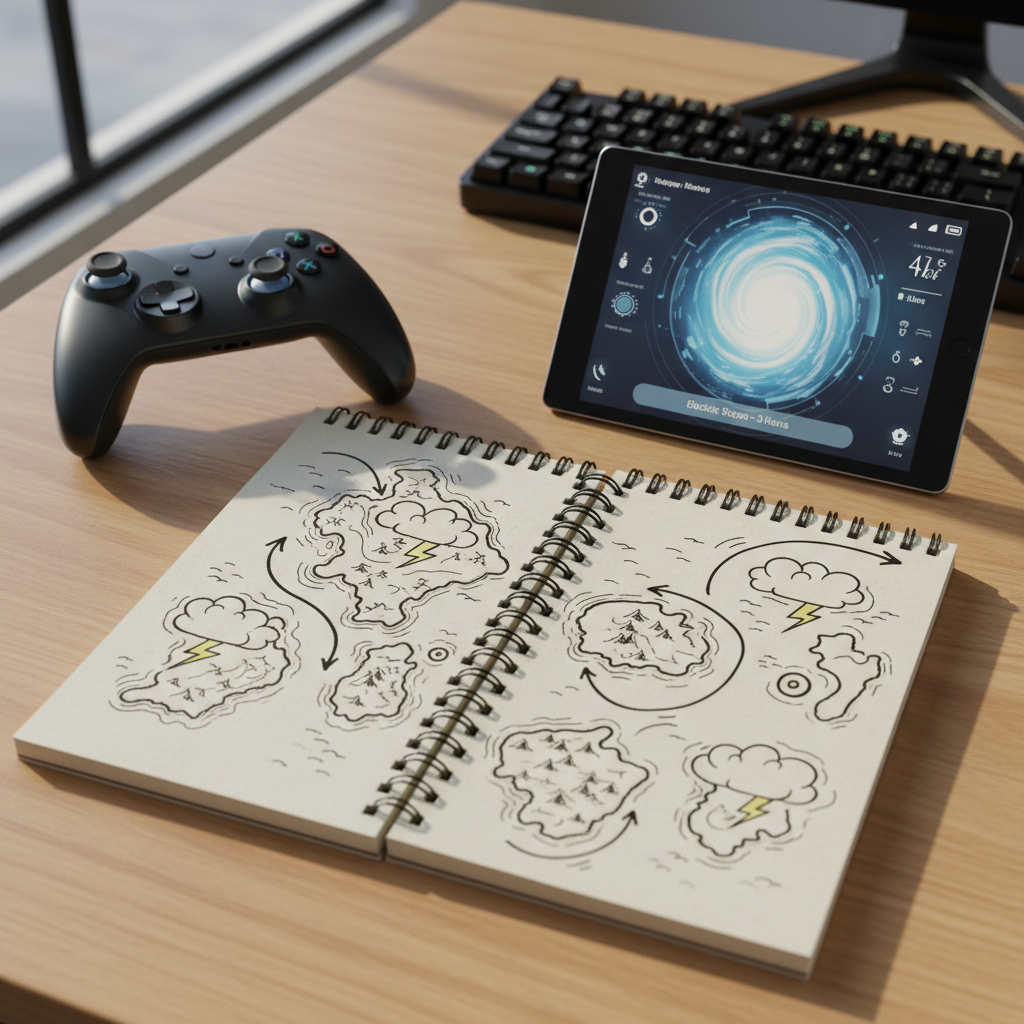
Common misconceptions that lead to bad picks
A few patterns show up whenever people search for games with weather control, and they explain most “this felt overhyped” reactions.
- “Dynamic weather” does not equal manipulation. Many games randomize rain and fog, but give you no meaningful levers.
- Visual intensity can be misleading. Loud thunder and whipping trees might look great while having near-zero gameplay impact.
- One mission set piece is not a system. If the cool storm happens once in the campaign, you’re buying a moment, not a mechanic.
- Simulation and fantasy scratch different itches. Flight sims can be the deepest weather “gameplay,” but they are not the same kind of fun as spell-driven control.
According to the Entertainment Software Association (ESA), players span a wide range of play styles and preferences, so it’s normal that the same “weather feature” lands differently depending on what you want from a game.
When to look for guides, mods, or accessibility options
If you love the concept but bounce off friction, you do have options, just keep expectations grounded.
- Guides: look for build or traversal guides that specifically mention wind, storms, temperature, or elemental interactions.
- Mods (PC games): some communities add stronger weather effects or more frequent storms, but compatibility and stability vary, and you should review install steps carefully.
- Accessibility: if heavy storms trigger motion sensitivity or visibility strain, check for camera shake toggles, contrast options, and UI scaling, and consider asking a medical professional if symptoms persist.
Key takeaways (so you can decide fast)
- True manipulation usually means abilities or devices that create wind or change conditions, not just dynamic weather.
- Sandbox games tend to deliver the most “I did that” moments, because systems combine in unexpected ways.
- Simulation games often provide the deepest wind modeling, but the fantasy is decision-making, not domination.
- If you want top games with wind and weather manipulation, pick based on the kind of control you expect: navigation, combat, traversal, or realism.
Conclusion: pick the flavor of weather you actually want
If you want creativity and emergent problem-solving, start with Tears of the Kingdom, if you want environmental pressure that constantly nudges your choices, Breath of the Wild still holds up, if you want wind as an elegant navigation tool, Ghost of Tsushima feels uniquely clean. For ability-driven battlefield control, Genshin Impact fits, and for “weather is the gameplay,” Microsoft Flight Simulator is the commitment.
Your best next step is simple: choose one game from the table that matches your intent, then watch 10 minutes of raw gameplay focused on traversal or combat in bad weather, not a cinematic trailer, that’s where the truth shows up.
FAQ
What are the top games with wind and weather manipulation on Switch?
Tears of the Kingdom and Breath of the Wild are the most consistent picks, because wind, physics, and weather constraints show up in real decision-making, not just visuals.
Are there games where you can directly change the weather at will?
Some titles let you do this via spells or devices, but it’s less common than people expect, many games focus on weather you exploit rather than rewrite on command.
What’s the difference between “dynamic weather” and “weather manipulation”?
Dynamic weather usually means the game changes conditions over time, manipulation means you have tools to influence those conditions in a predictable, repeatable way.
Which games make wind matter for traversal the most?
Physics-forward open worlds tend to do it best, especially where gliding, climbing, or vehicle building interacts with gusts and updrafts.
Which games make storms affect combat in a meaningful way?
Look for systems where visibility, elemental effects, or positioning change under weather, action RPGs with elemental interactions often feel more “hands-on” than purely cosmetic storms.
Is Microsoft Flight Simulator a good pick if I just want casual weather fun?
It can be, especially if you use more forgiving settings, but many people enjoy it most when they lean into planning and learning how wind affects handling.
How do I avoid buying a game where weather is only cosmetic?
Search reviews for concrete phrases like “affects movement,” “changes stealth,” “influences visibility,” or “impacts physics,” and prioritize gameplay clips shot during storms.
If you’re trying to build a short list tailored to your platform and play style, tell me what you play on (Switch, PlayStation, Xbox, PC) and whether you mean combat control, traversal tricks, or immersive navigation, I can narrow the options without padding the list.