
best vr exorcism games 2026 is a tricky search because “exorcism” in VR ranges from slow-burn investigative horror to full-on demon-fighting action, and the wrong pick can feel more annoying than scary.
If you want a short list you can trust, this guide focuses on what matters in a headset: comfort, control schemes, pacing, audio design, and whether the “ritual” parts feel interactive or just scripted set dressing.
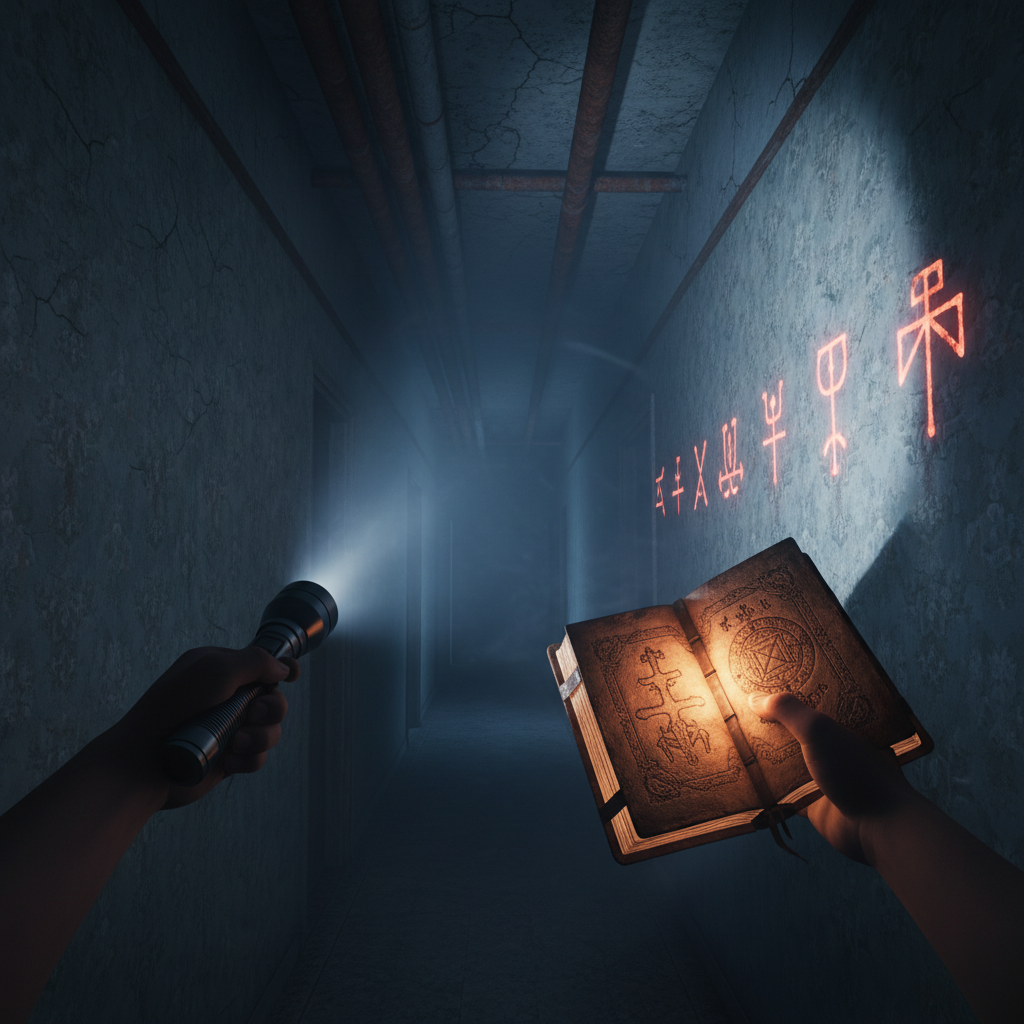
One more thing before we jump in: availability shifts. Some “VR exorcism” favorites get delisted, rebranded, or updated into new editions, so treat this as a 2026 buying mindset plus a practical checklist, not a frozen catalog.
Quick picks table: what to play (and why)
Use this table to narrow down your vibe, then read the next sections for how to choose based on comfort and hardware.
| What you want | Look for in an exorcism VR game | Why it matters in VR | Best for |
|---|---|---|---|
| Ritual-driven investigation | Interactive items, clue boards, voice/gesture inputs | Makes “exorcism” feel earned, not a cutscene | Solo players, story fans |
| Co-op ghost hunting with exorcism mechanics | Team roles, clear comms tools, scalable difficulty | Chaos becomes fun instead of overwhelming | Friends nights, streamers |
| Action-horror exorcist fantasy | Responsive melee/aiming, readable enemy tells | Motion + fear spikes can feel unfair otherwise | Experienced VR users |
| Low-nausea horror | Teleport or comfort locomotion, strong vignette options | Prevents “I quit after 20 minutes” outcomes | New VR owners |
What “exorcism” means in VR in 2026 (and what to expect)
In practice, most titles that fit best vr exorcism games 2026 fall into three buckets, and your enjoyment depends on which bucket you actually want.
- Investigation-first: You gather evidence, identify the entity, then perform a sequence of steps. Strong atmosphere, slower pacing.
- Ritual puzzle games: The “exorcism” is basically puzzle solving with pressure, timers, or threats. Great if you like escape rooms.
- Combat-forward horror: Demons show up early and often, with banishment tools that behave like weapons. Exciting, but easier to make repetitive.
A common misunderstanding: “exorcism” doesn’t always mean religious role-play. Many games use fictional occult systems, invented symbols, or paranormal tech. If you’re sensitive to religious themes, preview store screenshots and content warnings before buying.
How we judge the best VR exorcism games (the stuff that actually matters)
Here’s the editorial reality: a VR horror game can have amazing lore and still flop if interactions feel clumsy. These criteria tend to separate keepers from refunds.
- Interaction fidelity: Do objects behave predictably, with stable grabbing and readable physics?
- Ritual clarity: Are steps communicated via diegetic clues, journals, or UI that doesn’t break immersion?
- Audio as gameplay: Positional audio helps you “feel” presence. According to Dolby..., spatial audio improves perceived realism and directionality in interactive media.
- Comfort options: Smooth locomotion, snap-turn, vignette, seated mode, height calibration.
- Pacing: A good exorcism loop alternates tension and relief. Constant jump scares usually age fast.
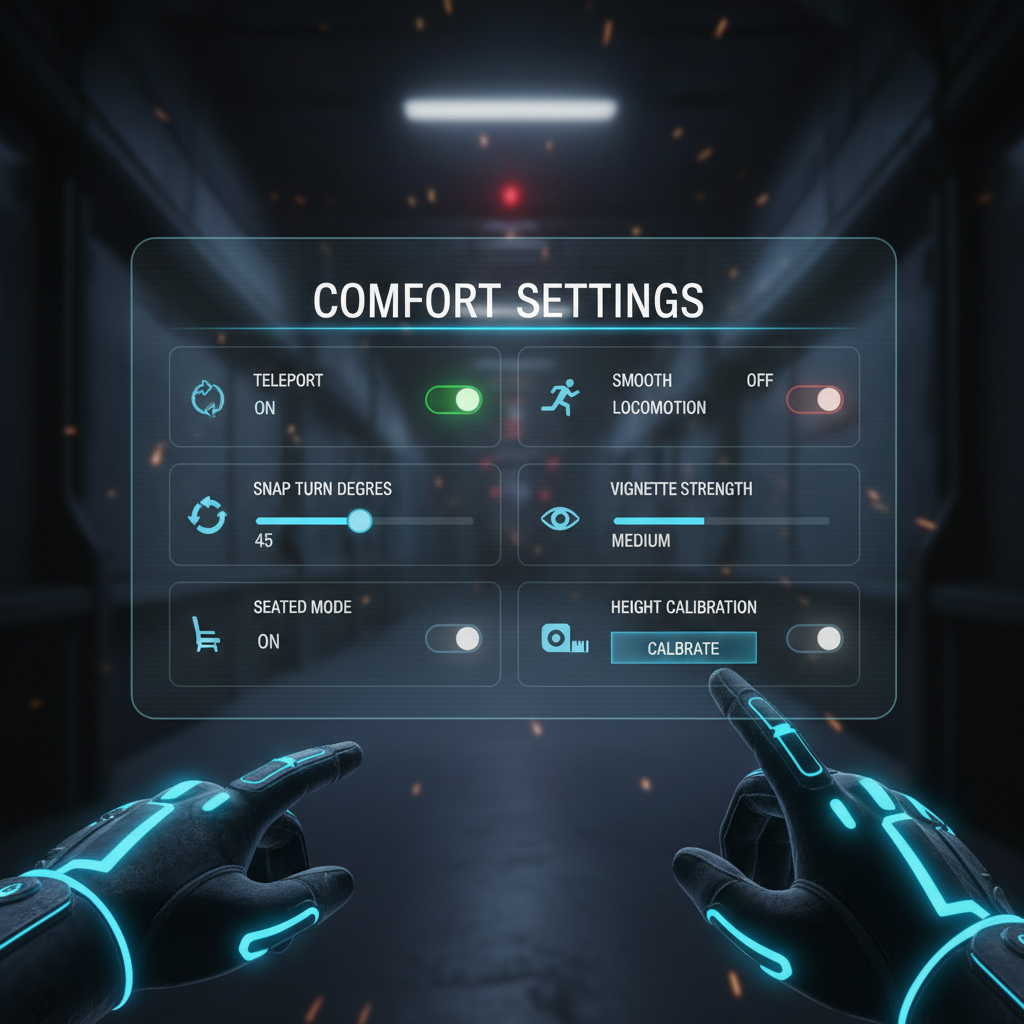
Also, don’t underestimate replay value. Many paranormal/exorcism games rely on randomized “haunts” or variable evidence. That can feel fresh, or it can feel like the same house with different noise, so check whether the loop includes meaningful variety.
Self-check: which type of player are you?
If you’ve ever bounced off horror VR, you’re not alone. A quick self-check saves money.
Pick your comfort baseline
- New to VR: prioritize teleport movement, slower pacing, and strong tutorialization.
- Motion-sensitive: avoid forced sprinting, camera shakes, and “grab-to-climb” sequences.
- Veteran: you can chase intensity, but you’ll still want crisp interactions and readable objectives.
Pick your fear flavor
- Dread (slow, oppressive): choose investigative ritual games with environmental storytelling.
- Panic (sudden threats): choose co-op hunts or combat-forward banishment systems.
- Problem-solving under pressure: choose puzzle-heavy exorcism loops.
Honest note: if you mainly want a “haunted house ride,” you might be happier with narrative horror VR rather than anything labeled exorcism. That label often implies chores, steps, and tools.
Buying checklist for 2026: headset, store page, and red flags
Before you click purchase, scan for these. It’s boring, but it prevents the classic “this feels broken” night.
- Locomotion options: Look for teleport + smooth movement + turning choices.
- Room-scale vs seated: If you play in a small space, confirm seated or standing-in-place works.
- Controller support: Hand tracking is cool when it works, but many horror interactions remain controller-first.
- Audio requirement: A lot of the scare design depends on directional cues, decent headphones help.
- Content warnings: flashing lights, intense scenes, religious imagery. According to American Academy of Ophthalmology..., people who are sensitive to flashing lights should be cautious with strobing content and consider medical advice if concerned.
Red flags that often correlate with disappointment: unclear screenshots, no comfort-settings mention, reviews that repeatedly cite “can’t pick things up,” and “chapter-based” games with very short total runtime.
Practical play tips: make exorcism VR scarier (and less frustrating)
Small setup tweaks change the whole experience, especially for the best vr exorcism games 2026 style loop where you handle objects under stress.
Setup and comfort
- Calibrate height and floor before starting a ritual-heavy session, wrong calibration makes interactions miss by inches.
- Start with snap turn if you’re unsure, then move to smooth turn later.
- Use a fan aimed at you, many players find it reduces discomfort and helps orientation.
Gameplay habits that help
- Make a “tool zone”: keep crucifix, chalk, EMF-like tools, or ritual items in consistent holster slots.
- Talk out loud in co-op: not for role-play, but for coordination, “I’m placing salt,” beats silence.
- Don’t hoard clues: these games often punish indecision, identify the entity type early and commit.
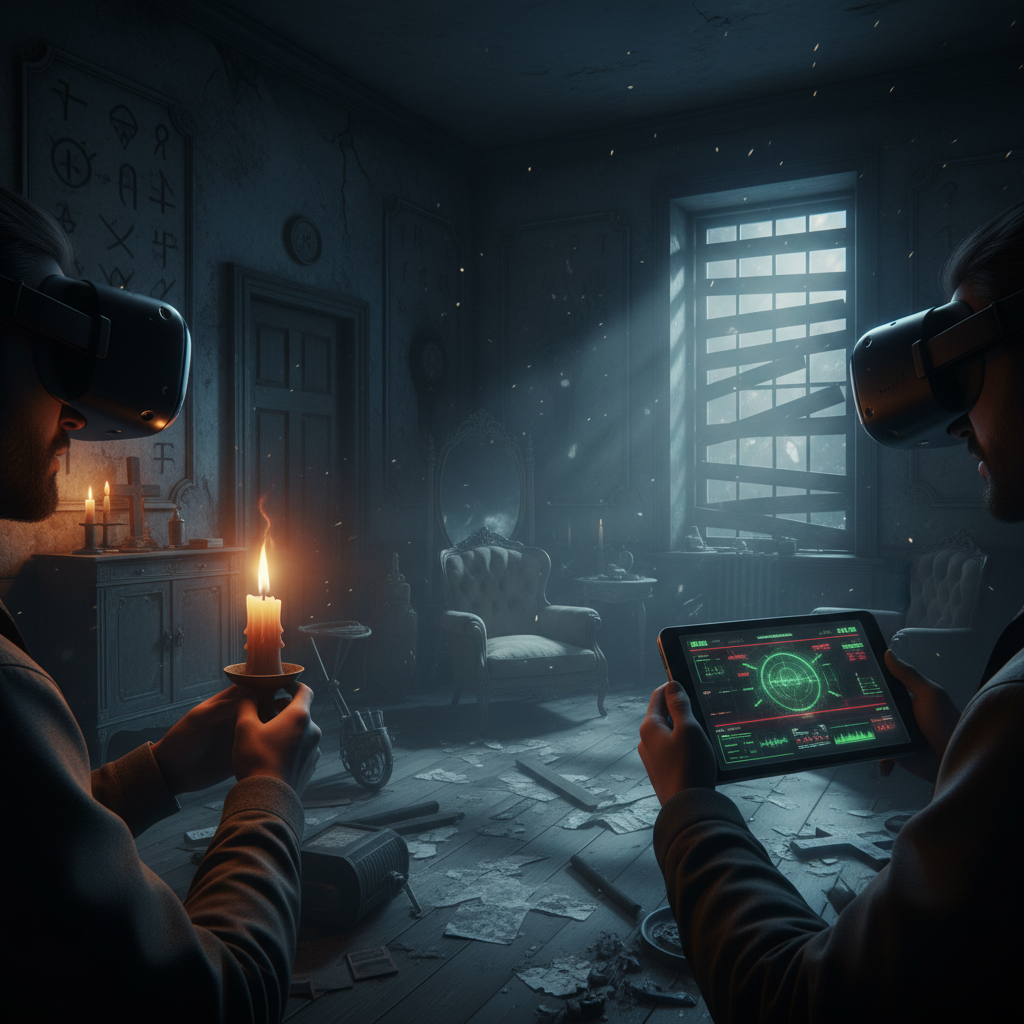
If you want maximum tension without feeling cheaped out, lower brightness a bit, raise audio clarity, and keep your play area clean. Tripping over a cable kills dread instantly.
Common mistakes (and how to avoid them)
- Chasing “scariest” over “playable”: if controls fight you, fear turns into irritation. Prioritize interaction quality.
- Ignoring comfort settings: many players never open the options menu, then blame the game for nausea.
- Assuming all co-op is drop-in friendly: some games require role balance or knowledge, read how matchmaking works.
- Turning difficulty up too early: ritual steps can become busywork if you fail repeatedly without learning cues.
Also, watch for “content pack” monetization. It’s not automatically bad, but you want to know whether the base game feels complete.
Conclusion: how to pick your best VR exorcism game this year
The most reliable way to choose from the best vr exorcism games 2026 crowd is to match the exorcism loop to your tolerance for stress and your VR comfort level, then confirm the game supports that with solid interaction design and clear ritual objectives.
If you do one thing today, make it this: skim the store page for locomotion options and watch 2–3 minutes of raw gameplay, not a trailer. That single step filters out most regret buys.
Key takeaways: prioritize comfort settings, treat audio as gameplay, and pick “investigation vs combat vs puzzle” before you pick a title name.
FAQ
- What counts as an “exorcism” game in VR?
Usually it means you identify a haunting or entity and perform a banishment ritual with steps and tools, not just surviving a monster chase. - Are the best VR exorcism games 2026 mostly single-player or co-op?
Both exist. Co-op is common because teamwork reduces fear in a fun way, but solo-focused games often deliver stronger narrative pacing. - Do I need a lot of space for VR exorcism gameplay?
Many support standing or seated play, but room-scale helps when you’re reaching for items and turning quickly. If space is tight, prioritize teleport and seated options. - How can I reduce motion sickness in horror VR?
Start with snap turn, use vignette, keep sessions short, and avoid smooth locomotion until you feel stable. If you get frequent nausea, consider asking a healthcare professional. - Are exorcism VR games too intense for beginners?
Some are. Look for adjustable difficulty and comfort settings, and avoid games that force sprinting or constant camera effects. - Is hand tracking worth it for ritual mechanics?
It can be immersive, but reliability varies by headset and game. Controllers often remain the smoother option for precise interactions under pressure. - What should I check in reviews before buying?
Focus on comments about grabbing, object physics, and clear objectives. “Scary” is subjective, but “can’t interact” is a real problem.
If you’re trying to decide between two or three options, a simple way to get unstuck is to list your non-negotiables, comfort mode, solo vs co-op, and “ritual depth,” then pick the game that matches those boxes instead of the loudest trailer.