
best vr pvp games 2026 is a search that usually means one thing: you want multiplayer VR that feels alive, competitive, and worth your time, not a ghost town with janky matchmaking.
PVP in VR has a different failure mode than flat games, when it’s off by a little, it feels off by a lot. Latency becomes “my shot didn’t count,” locomotion becomes “I feel sick,” and skill gaps become “I never stood a chance.”

This guide stays practical. You’ll get a short list of reliable PVP staples, a quick way to pick the right fit for your play style and comfort level, plus setup tips that matter more in VR than people expect.
What “best” means for VR PVP in 2026 (and why it’s not one list)
In 2026, “best” tends to split into a few buckets, and mixing them up is how people buy a game, refund it, then swear off VR shooters for a month.
- Population and matchmaking: you can love a game, but if queues take forever, you won’t stick.
- Netcode feel: hit registration and peeker’s advantage are more noticeable when you physically aim.
- Comfort profile: smooth locomotion, snap turning, and vignettes can make or break daily play.
- Skill readability: clear audio, clean visuals, and understandable time-to-kill help you improve.
- Anti-toxicity and moderation: voice chat is central in VR, so community tools matter.
According to ESRB, VR titles can include online interactions not rated by the board, which is a good reminder to check a game’s community tools and your own comfort with voice chat.
Quick comparison table: top VR PVP styles to consider
If you mainly want “ranked grind,” your shortlist will look different than someone chasing goofy social chaos. Here’s a fast map of the common PVP flavors.
| Style | What it feels like | Best for | Watch-outs |
|---|---|---|---|
| Arena shooter | Pure gun skill, fast rounds | Competitive aim + quick queues | Can be sweaty, harsh skill gaps |
| Tactical team shooter | Comms, angles, slower pacing | Friends, coordinated play | Random teammates feel rough |
| Melee / dueling | Close-range mind games | 1v1 improvement, short sessions | Tracking space, fatigue |
| Extraction / objective | High stakes, gear pressure | People who like tension | Loss feels punishing |
| Social PVP modes | Chaos, party vibes | Casual nights, variety | Balance swings, moderation varies |
Best VR PVP games 2026: picks that usually hold up
Below are games and categories that, in many cases, remain the safest bets for active multiplayer and repeatable competition. Availability and platform support can change, so treat this as a shortlist to verify on your headset store and region.
Contractors (and its mod ecosystem)
If you want variety, Contractors often stays in the conversation because the mod scene can keep maps and modes fresh, which helps the game avoid that “same hallway forever” fatigue.
- Why people stick: familiar FPS handling, lots of community content, casual-to-sweaty range.
- Great for: players who like hopping between modes without learning a new game each month.
- Potential downside: mod-heavy servers can feel inconsistent in balance and performance.
Breachers
Breachers scratches the tactical itch, with tight rounds and strong emphasis on team roles. When lobbies are good, it’s the “one more match” kind of game.
- Why it works: clear objectives, readable pacing, teamwork actually matters.
- Great for: duos and squads who like coordinated executes.
- Potential downside: solo queue can be hit or miss, depending on comms.
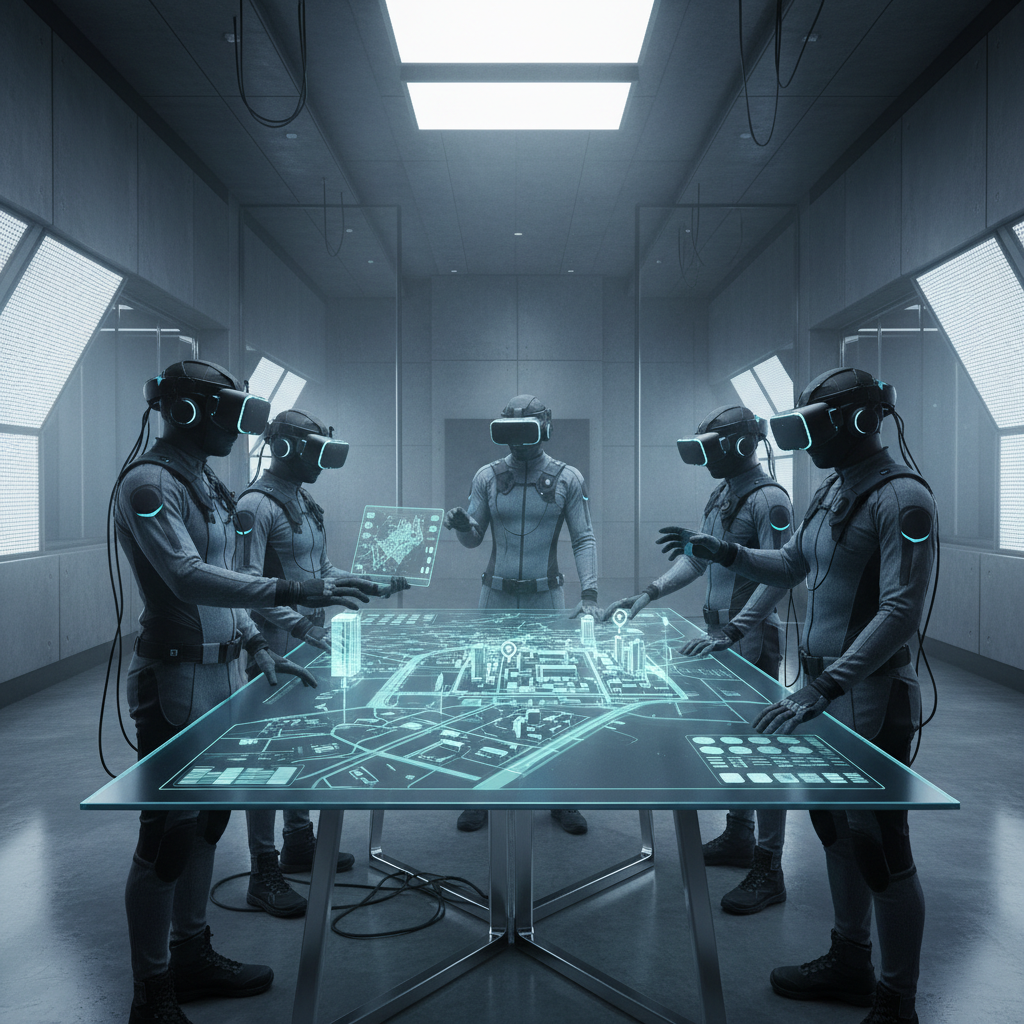
Ghosts of Tabor (extraction-style PVP)
Extraction PVP in VR can feel intense in a way flat games don’t, because you physically loot, aim, and manage inventory. Ghosts of Tabor is often the name people land on when they want that tension.
- Why people play: high stakes, strong “story per raid” feeling.
- Great for: players who enjoy risk and planning.
- Potential downside: losing gear can tilt you, and early learning curves feel steep.
Population: ONE (battle royale style)
Population: ONE has stuck around because its movement and verticality make fights memorable, and the social layer can keep sessions light even when you lose.
- Why it works: traversal is fun, squads create natural teamwork.
- Great for: people who want “big match” energy without mil-sim pacing.
- Potential downside: meta shifts can favor certain play styles for a while.
Walkabout Mini Golf (competitive, but low-stress)
This isn’t a shooter, but if your goal is PVP you’ll actually play weekly, Walkabout Mini Golf deserves a mention. In VR, competitive doesn’t have to mean exhausting.
- Why it works: easy to learn, high skill ceiling, very “one more course.”
- Great for: friend groups, mixed skill levels, comfort-sensitive players.
- Potential downside: if you only want combat, it won’t scratch that itch.
A fast self-check: which VR PVP game fits you?
If you’re stuck between “I want competition” and “I don’t want to feel miserable,” run this quick checklist and circle the strongest matches.
- I get motion sick easily: prioritize teleport options, slower tactical pacing, or stationary competitive games.
- I play mostly solo: look for strong matchmaking and modes that don’t require heavy comms.
- I have a consistent squad: tactical shooters and extraction modes become much more fun.
- I want short sessions: arena modes and quick rounds beat long-form raids.
- I care about climbing ranks: check if ranked exists, and if it’s active in your region.
One small reality check: if your headset time is mostly late-night US West or off-hours, you may want games with crossplay or historically high population.
Practical setup tips that improve PVP results (more than new guns)
VR PVP rewards comfort and consistency. A few tweaks can make “I’m getting rolled” turn into “I’m learning” within a week.
Dial in comfort before you chase wins
- Turn style: if smooth turning makes you woozy, use snap turning and revisit later.
- Vignette: start with stronger vignetting, then reduce over time if you adapt.
- Session length: stop early when you feel off, pushing through often makes it worse. If symptoms persist, consider asking a healthcare professional.
Make tracking and audio boringly reliable
- Lighting: stable, moderate room lighting helps inside-out tracking behave.
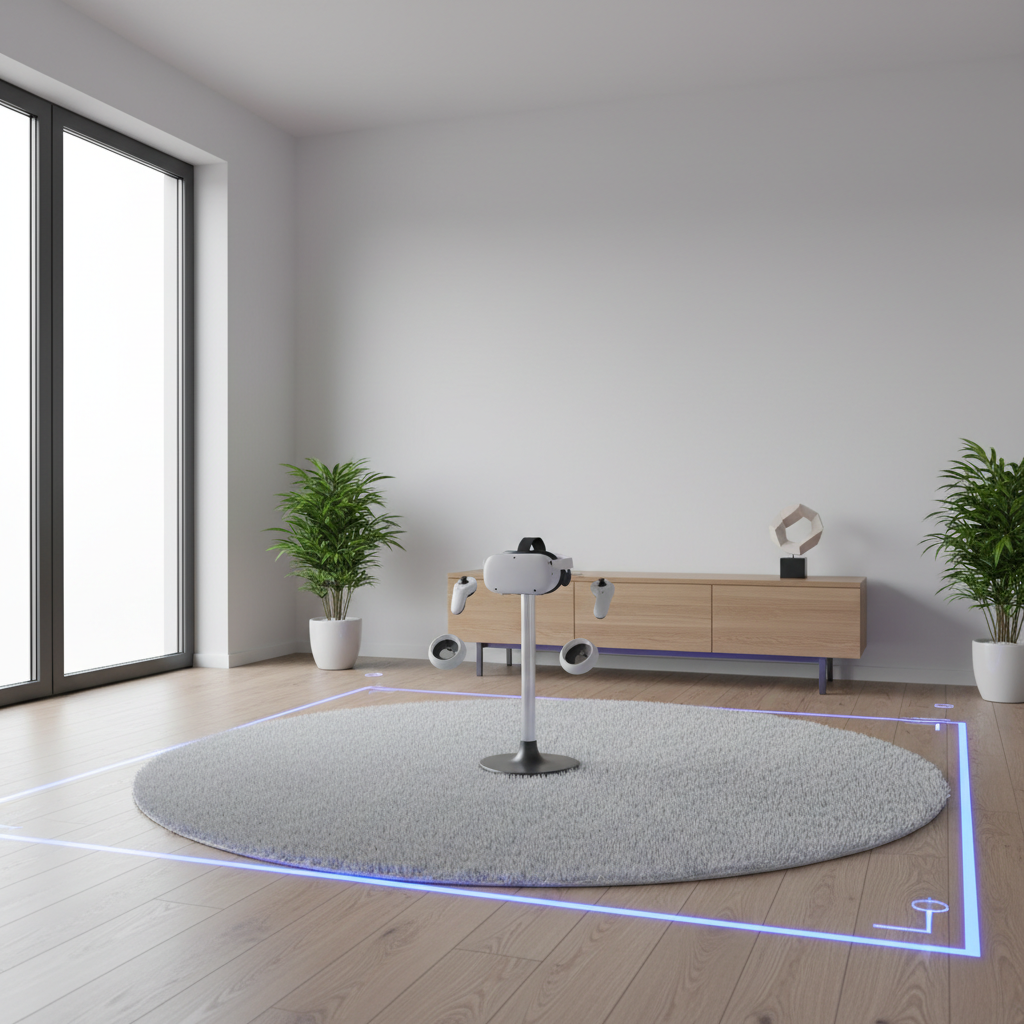
- Play space: clear the “one step lunge” zone, PVP makes you forget furniture exists.
- Audio: use headphones if possible, footstep and reload cues decide fights.
Practice the right things for 10 minutes
Most people grind matches when they really need a tiny routine.
- Aim warm-up: 3–5 minutes in a shooting range, focus on steady trigger pulls.
- Reload reps: repeat reloads until you stop looking at your hands.
- One improvement goal: pick one, like “hold angles” or “use cover,” not ten habits at once.
Common mistakes when shopping “best vr pvp games 2026”
- Buying for hype, not for your tolerance: a top competitive shooter is useless if locomotion makes you quit.
- Ignoring region and platform split: some games feel busy in one headset ecosystem and quiet elsewhere.
- Expecting VR to feel like a flat esports title: physical fatigue, room constraints, and social audio change everything.
- Over-indexing on weapon stats: positioning and audio awareness usually matter more.
- Playing on unstable Wi‑Fi: if you can, use a stronger router setup or wired options for PCVR, it reduces “I was behind cover” moments.
When it’s worth getting help or adjusting your plan
If VR sessions regularly trigger nausea, headaches, or eye strain, it’s smart to pause and reassess rather than brute-force adaptation. According to the American Academy of Ophthalmology, taking breaks and paying attention to discomfort is important for digital eye strain, and VR can amplify that for some people.
If you’re dealing with ongoing dizziness, migraines, or balance issues, consider speaking with a healthcare professional before pushing longer sessions, and keep comfort settings conservative.
Key takeaways and what to do next
- “Best” depends on your play style: arena, tactical, extraction, and casual competitive all reward different habits.
- Start with games that stay populated: active matchmaking beats the perfect feature list.
- Comfort is performance: the right locomotion and short practice routine often matter more than loadouts.
If you want one simple next step, pick one game from the shortlist, spend an hour tuning comfort and audio, then play three sessions with a single improvement goal. You’ll know quickly if it’s your long-term PVP home.
FAQ
What are the best vr pvp games 2026 for beginners who get motion sick?
Look for games with strong comfort options like teleport, snap turning, and vignettes, or competitive titles with minimal forced movement. Mini Golf-style competition can also be a great on-ramp.
Which VR PVP games are best if I mostly play solo?
Solo players usually do better in games with quick matchmaking, clear objectives, and modes that don’t require constant voice comms. It’s also worth checking if your region has active queues at your play hours.
Are tactical VR shooters too “sweaty” for casual players?
They can be, but it depends on the lobby mix and whether unranked modes feel welcoming. If you like learning maps and teamwork, tactical can still feel relaxing compared to chaotic arena pacing.
What makes extraction VR PVP harder than standard modes?
The pressure comes from losing gear and making more decisions per minute, inventory, sound discipline, route planning. If that sounds stressful, start with shorter round-based modes first.
Do I need a PC to play competitive VR PVP?
Not always. Many popular multiplayer VR games run on standalone headsets, though PCVR can offer more options and sometimes better visuals. The bigger factor is stable performance and a comfortable setup.
How do I know if a VR PVP game still has an active player base?
Check recent store reviews, community hubs, and whether you can find current matchmaking discussions for your region. If possible, watch a recent stream and listen for queue times and lobby variety.
What’s a realistic practice routine for improving in VR PVP?
Keep it short: a few minutes of aim and reload reps, then one focused goal during matches. VR improvement often comes from consistency, not marathon sessions.
If you’re trying to choose between a few options and you want a more “no-regrets” path, start with the mode you’ll actually play weekly, then validate comfort and queue times before you buy extra content or commit to ranked grind.