
how to get all endings in rpg games usually comes down to two things: knowing what actually changes the story, and building a repeatable plan so you don’t replay 40 hours because of one conversation choice.
Most RPGs hide endings behind a mix of visible decisions, invisible “points” (affection, morality, alignment), and practical gates like optional bosses or late-game items. It’s not hard, but it’s easy to do the right thing at the wrong time and still miss a branch.
This guide focuses on a real-world approach: how to map the routes, protect your time with smart saves, and clean up what you missed without turning your playthrough into a spreadsheet. You’ll also get a quick table you can copy into notes, plus a checklist to diagnose why an ending didn’t trigger.
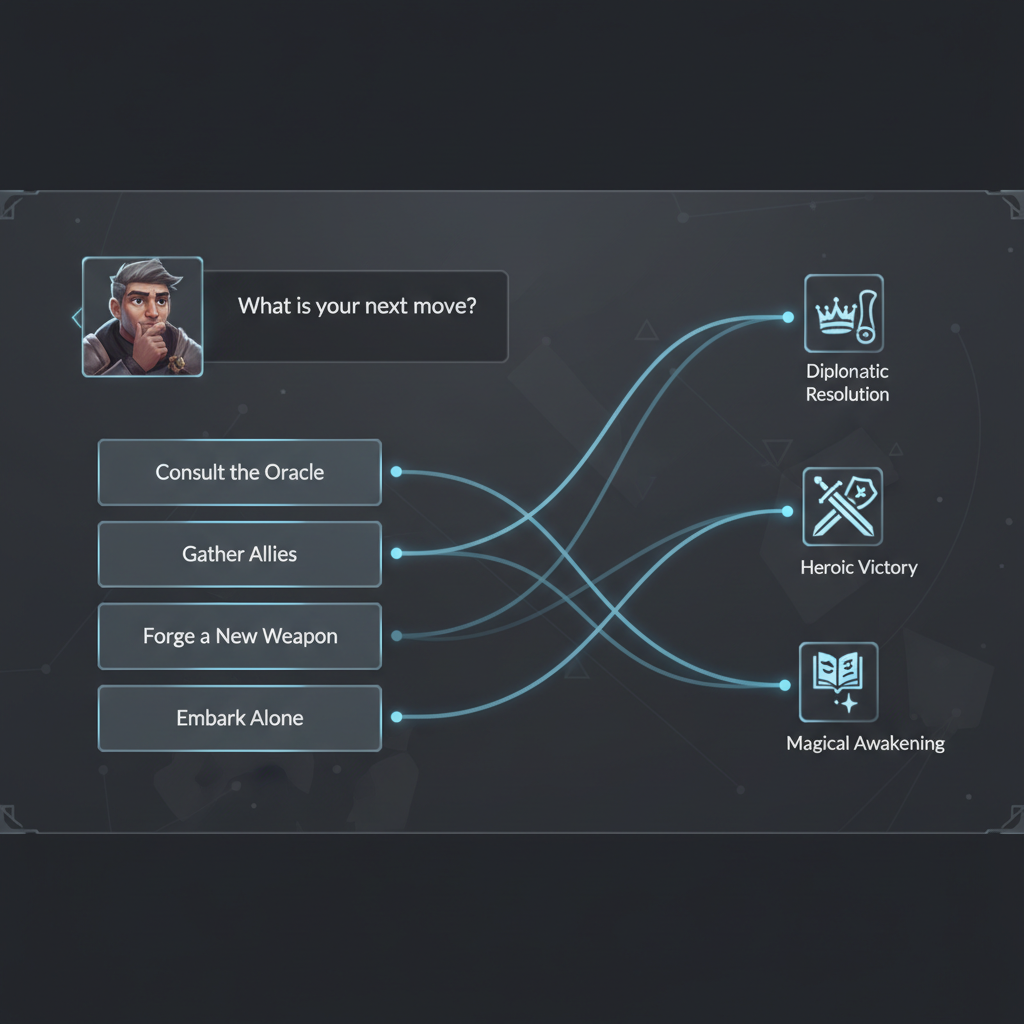
What “All Endings” Really Means (and Why Players Miss One)
Before you chase every finale, define what counts. Some RPGs treat “all endings” as a handful of major outcomes, others include micro-variants, secret stingers, and NG+ epilogues. Many completionists get tripped up because they assume a different cutscene equals a different ending, when the game tracks them as the same flag.
Common reasons an ending gets missed:
- Hidden variables (morality/karma, faction reputation, affinity) that you never see directly.
- Timing locks where a choice only matters before a certain quest.
- Mutually exclusive content (two factions, two romance paths, one “true” route).
- Completion gates like collecting relics, beating optional bosses, or resolving companion arcs.
- NG+/postgame requirements that aren’t possible in a single run.
According to Sony Interactive Entertainment, trophy and achievement systems are designed to track goals and milestones across gameplay. In practice, that means a game might reward “saw Ending A/B/C” even if the scenes share 80% of the same footage, so treat endings as tracked outcomes, not just vibes.
Map the Endings: Make a Simple Route Sheet (Table Included)
If you want how to get all endings in rpg games without constant restarts, you need a lightweight map. Not a full guidebook, just enough structure to know where the branches split and what each branch demands.
Use this table as a template (copy into Notes/Google Docs):
| Ending Name | Trigger Type | Point of No Return | Requirements | Save Slot |
|---|---|---|---|---|
| Ending A (Base) | Final choice | Last mission start | None / main story only | Slot 1 |
| Ending B (Faction) | Faction lock | Joining quest | Join Faction X, complete chain | Slot 2 |
| Ending C (Secret/True) | Checklist + boss | Before final dungeon | Collect items, max key ally, optional boss | Slot 3 |
Where to get the info for the map, without spoiling everything:
- In-game quest log and journal tags like “this will change the world state.”
- NPC warnings and UI prompts (many games literally tell you a point of no return).
- Achievement/trophy descriptions for broad categories.
- A spoiler-light “endings overview” page (avoid step-by-step until you need it).
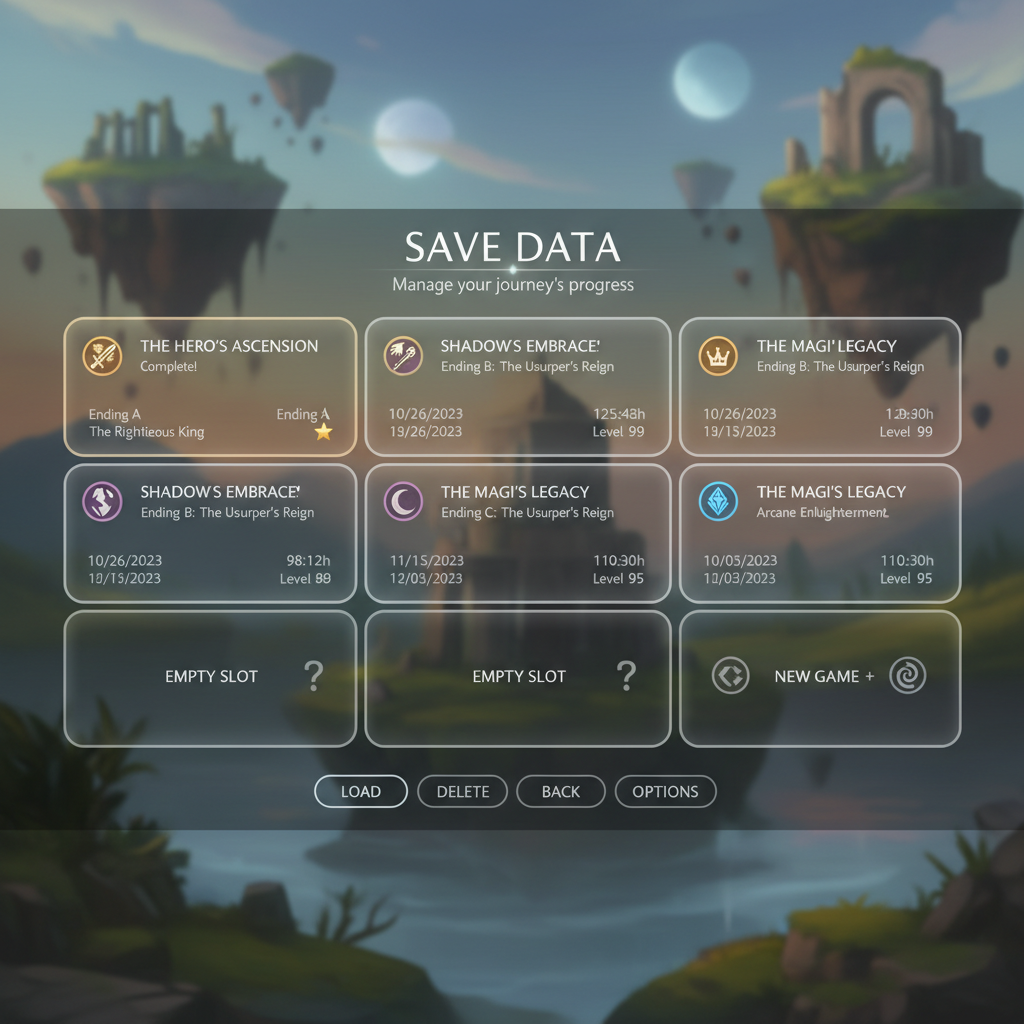
Save Strategy That Prevents 20-Hour Replays
The fastest path to all finales is rarely “play perfectly.” It’s “save at the right branch points.” If you only take one thing from this article, take that.
Use a three-layer save plan
- Foundation save: right before major faction commitment, romance lock, or irreversible story event.
- Branch saves: one slot per major route (Faction A, Faction B, Neutral).
- Finale save: immediately before the last dungeon / last mission / final dialogue chain.
Two practical tips that matter more than they sound:
- Name saves if the game allows it. If not, take a quick phone note with timestamp + what you just decided.
- Don’t overwrite “foundation” saves. People do this when they feel confident, then realize 10 hours later a companion quest auto-failed.
For games with only one save slot (or heavy autosave), consider platform tools: console cloud backups, PC file copies, or separate user profiles. Be mindful of publisher terms and your own comfort level; if a method feels like it risks corrupting saves, skip it.
Self-Check: Which Ending Gate Are You Dealing With?
When an ending refuses to appear, don’t guess. Identify the gate type, then you’ll know what to replay and what you can keep.
- Single final choice: the last decision picks the outcome. You likely just need the finale save.
- Accumulated points: choices add up over time (alignment/affection). You may need an earlier foundation save.
- Quest completion: specific side quests must be finished (often companions). You might be able to backtrack if the world state still allows it.
- Item/collection: artifacts, keys, notes, “sigils,” etc. Sometimes collectible cleanup works, sometimes it’s missable.
- Combat skill gate: optional boss or challenge. This is a build/gear issue more than a story issue.
- NG+ locked: the game expects multiple runs. If so, optimize for speed, not perfection, on replay.
Key takeaway: if the gate is points or missable quests, treat it as an early-branch problem. If the gate is a last choice or optional boss, treat it as late-game cleanup.
Step-by-Step: A Practical Plan to Get Every Ending
This is the workflow I’d use for most story-heavy RPGs, whether it’s Western choice-driven or JRPG “true ending” style. It keeps you moving while still covering everything.
1) Do a “normal” first run, but track decisions
- Pick choices you actually want, so the first run stays fun.
- Write down major commitments: faction joined, romance locked, who you spared, who you betrayed.
- When you see an obvious fork, drop a save and label it mentally.
2) Identify the point of no return and create a finale save
- If the game warns you, believe it.
- If it doesn’t, look for common signals: “last chance to prepare,” final dungeon entry, world map closing, party splitting.
3) Sweep companion quests and faction chains before the finale
- Many endings are basically “did you resolve X character arc.”
- Prioritize quests that mention trust, loyalty, rank, inheritance, trial, or betrayal. These often tie into finale flags.
4) Use the finale save for last-choice endings
- Pick Ending A, watch credits, confirm it counted.
- Reload finale save, pick Ending B, repeat.
- Keep a note of what triggered each outcome so you don’t second-guess later.
5) Use foundation saves (or NG+) for mutually exclusive routes
- If joining one faction blocks another, you cannot solve it at the finale.
- If a “true ending” needs earlier flags, don’t waste time at the last mission trying random dialogue options.
That’s the cleanest answer to how to get all endings in rpg games: finale save for choice-based outcomes, foundation save for route-based outcomes.
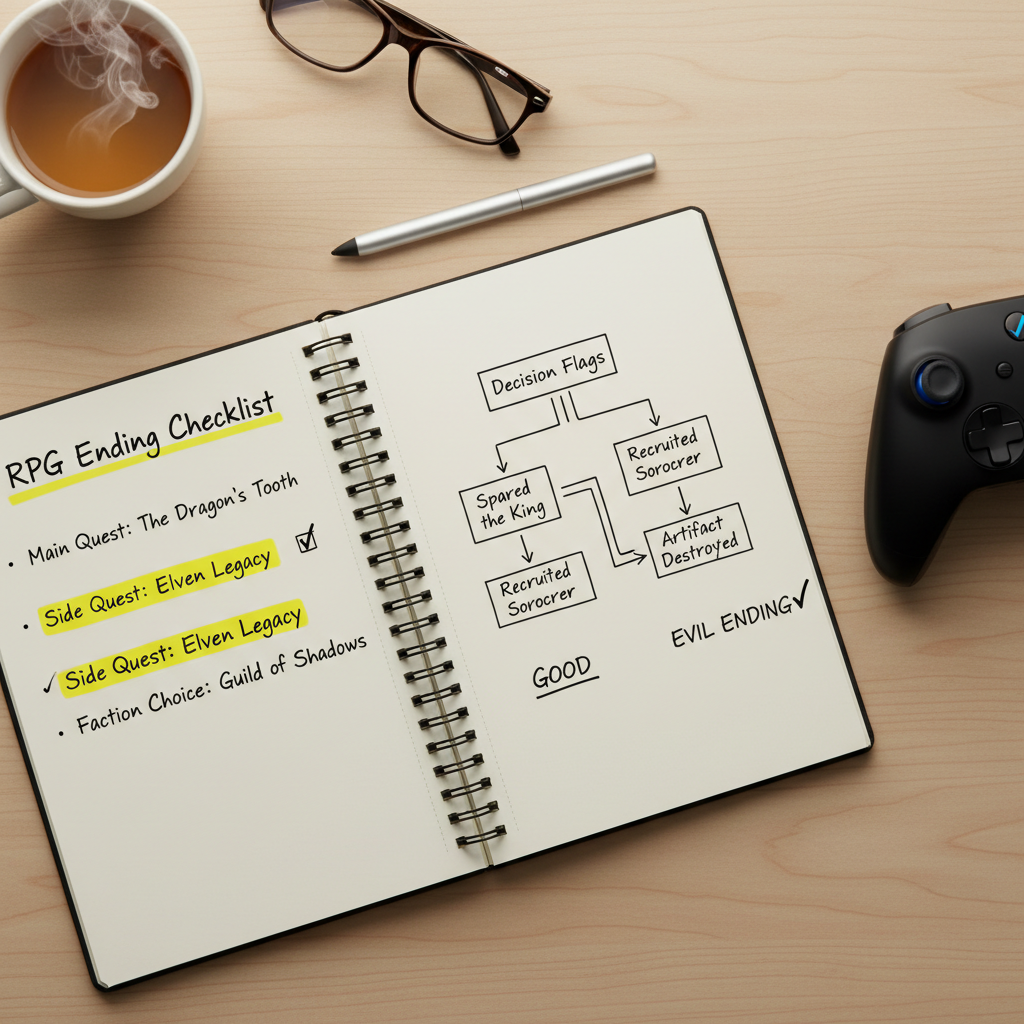
Common Mistakes That Waste Time (and How to Avoid Them)
Most “I missed the ending” stories look the same. Not because players are careless, but because RPGs love soft signals and delayed consequences.
- Relying on autosaves: autosaves rotate, and they rarely land right before a lock-in choice.
- Over-grinding too early: if you’re going to do multiple runs, extreme min-maxing on run one can make run two feel like a chore.
- Assuming dialogue tone doesn’t matter: in some games, “jokey” vs “serious” picks different flags even if the immediate result looks identical.
- Ignoring “fail states” on side quests: companion quests often fail silently after key story beats.
- Chasing micro-variants before major routes: get the big endings first, then worry about small variations if you still care.
According to Xbox Support, achievements may take time to appear or require specific conditions. Translation for ending hunters: after credits, give the game a moment, confirm the ending counted, and only then start reorganizing saves.
When to Use a Guide, and How to Avoid Heavy Spoilers
You don’t need a full walkthrough to get every finale, but you do need clarity on what’s missable. A spoiler-light approach usually works best.
- Use an “endings overview” first: it tells you how many endings exist and broad trigger types.
- Only look up the next gate: if you’re missing a “true” route, search the requirement list, not the entire final sequence.
- Prefer checklists over narrative guides: checklists reveal less plot but still prevent lockouts.
If you’re streaming or sharing clips, be careful with spoilers and platform rules. Many communities treat ending details as spoiler-sensitive for months or even years.
Key Points to Remember
- All endings usually means a mix of final choices, route locks, and hidden variables.
- A foundation save before major commitments saves more time than any combat trick.
- Use the finale save to collect choice-based endings quickly.
- If an ending depends on points or missables, it’s an early-game problem, not a final-dialogue problem.
- Guides work best when you use them for requirements, not for full story steps.
Conclusion: A Calm Way to 100% the Story Without Burning Out
If your goal is how to get all endings in rpg games, don’t treat it like a test you might fail, treat it like route management. Once you capture the foundation save and the finale save, the pressure drops, because you know you can explore without losing 10–20 hours.
Your next two actions are simple: create a labeled save right before the biggest commitment in your current playthrough, then make a second save at the point of no return. From there, you can branch confidently, and clean up the remaining endings with intention instead of luck.