
best vr games on meta store 2026 is the search you type when your wishlist is a mess, reviews feel contradictory, and you just want games that actually hold up after the first wow moment.
Meta Store is crowded in a good way, but it also means real decision fatigue, two people can buy “top-rated” titles and have totally different experiences depending on comfort, play space, motion settings, or whether they want solo campaigns versus social nights.
This guide helps you sort the store like an editor would: by what you’ll realistically play, what tends to age well, and how to avoid the most common purchase regrets, plus a quick table for picking based on mood and comfort.
How this “best” list stays useful in 2026
Instead of pretending there is one perfect ranking, I’m using filters that usually predict satisfaction: replay value, comfort options, ongoing updates, and how well a game works in short sessions.
Also, VR “best” depends on your body, not just your taste. Motion, brightness, and movement style can make a great game feel awful. According to Meta (Meta Quest safety guidance), taking breaks and using comfort settings can help reduce discomfort for many players.
Key takeaways before you buy:
- Comfort beats hype: snap turn, teleport, and vignettes matter.
- Multiplayer needs a plan: check if your friends actually own it, and whether cross-play exists.
- Content cadence: some games are “done,” others keep adding maps, songs, seasons.
- Space realities: roomscale looks cool, but many people play standing in a small boundary.
Quick pick table: match a game type to your mood
If you want a fast shortlist, start here. This isn’t “the only right answer,” it’s a practical way to map what you want tonight to what typically fits.
| What you want | Usually best genre | Comfort risk | Good for |
|---|---|---|---|
| Instant fun, 10–20 minutes | Rhythm / arcade | Low | Weeknights, casual play |
| “I want a real story” | Adventure / narrative | Medium | Solo sessions, immersion |
| Competitive and sweaty | Shooter / arena | Medium to high | Friends, skill progression |
| Laugh with friends | Social / party | Low to medium | Groups, voice chat nights |
| Fitness without “gym vibes” | Fitness / boxing / dance | Low | Routine building |
Best VR game picks on Meta Store in 2026 (by category)
This section is structured the way most people actually buy: by what they plan to do. Think of it as a shelf of “safe bets,” then you can get experimental later.
Rhythm and pick-up-and-play
- Beat Saber: still the easiest recommendation for fun-per-minute, mods aside it’s reliable, and you can tune difficulty without feeling punished.
- Pistol Whip: rhythm meets shooting, great for people who want movement without complex controls, comfort often depends on your tolerance for forward motion.
Action and shooters (solo or competitive)
- SUPERHOT VR: iconic VR design, you move your body, time moves when you move, and it remains a “show this to a friend” title.
- Population: One: if you want a social shooter with climbing and gliding, this is a long-running staple, but motion comfort varies a lot by player.
Adventure, puzzle, and narrative
- Moss (and Moss: Book II): comfortable third-person perspective, charming, strong pacing, good for VR newcomers who dislike artificial locomotion.
- The Room VR: A Dark Matter: puzzle craft that feels “premium,” great seated play, and it respects your time.
Sports and fitness you’ll actually repeat
- Eleven Table Tennis: realism and skill transfer are the appeal, you’ll want a bit of clear space and decent controller grip.
- Les Mills Bodycombat: structured workouts, straightforward interface, good when you want guidance rather than sandbox punching.
Social and party nights
- Walkabout Mini Golf: relaxed social flow, easy to learn, and it works even when people have different VR skill levels.
- Keep Talking and Nobody Explodes: classic co-op tension, one person in VR and others reading the manual, great for mixed groups.

Why people regret VR game purchases (and how to avoid it)
Most regrets come from mismatch, not bad games. A title can be excellent and still wrong for you if you buy it in the wrong “season” of your VR life.
- Comfort mismatch: smooth locomotion, head-bob, fast turning, all can trigger discomfort for some players, especially early on.
- Expectation mismatch: trailers over-emphasize set pieces; you might be buying a loop, not a campaign.
- Social mismatch: some multiplayer games feel empty if your time zone, friend group, or skill level doesn’t align.
- Space mismatch: roomscale requirements can be annoying if you mostly play in a tight boundary.
When you’re browsing the best vr games on meta store 2026 lists, mentally translate each pick into “Will I play this twice a week?” If the answer is “maybe once,” you might want a shorter, cheaper, or more replayable title.
Self-check: find your best fit in 3 minutes
Use this quick checklist before you hit buy. It’s boring, but it saves money.
- Comfort level today: New to VR, returning after a break, or play often?
- Movement preference: teleport only, snap turn, or smooth locomotion ok?
- Session length: 15 minutes, 45 minutes, or long weekends?
- Play style: solo, co-op with one friend, or random lobbies?
- Audio setup: do you need quieter games, or do you have space for loud sessions?
- Physical intensity: chill seated, standing, or cardio-heavy?
Fast rule that usually works: if you’re unsure about motion comfort, pick a seated or third-person game first, then ramp up to smooth locomotion later.
Practical buying tips for Meta Store in 2026
Good picks matter, but how you buy matters too. A few small habits can stretch your budget and reduce frustration.
- Read the comfort rating and locomotion options, not just star reviews. Reviews often reflect hype or patches from months ago.
- Check update recency: for live-service or multiplayer, a stale patch history can be a warning sign.
- Use wishlists strategically: wait a few days, then re-check if you still want it, this filters impulse buys.
- Look for “value density”: arcade loops and social games often deliver more repeat hours than short campaigns.
- Set up your play area: clear floor, stable boundary, controller straps, this prevents the kind of “I hate this game” reaction that is really a setup problem.
According to FTC consumer guidance on in-app purchases, it’s smart to review purchase settings and parental controls if multiple people use the headset, accidental buys happen more than anyone likes to admit.
Safety and comfort: what to watch for (especially in active games)
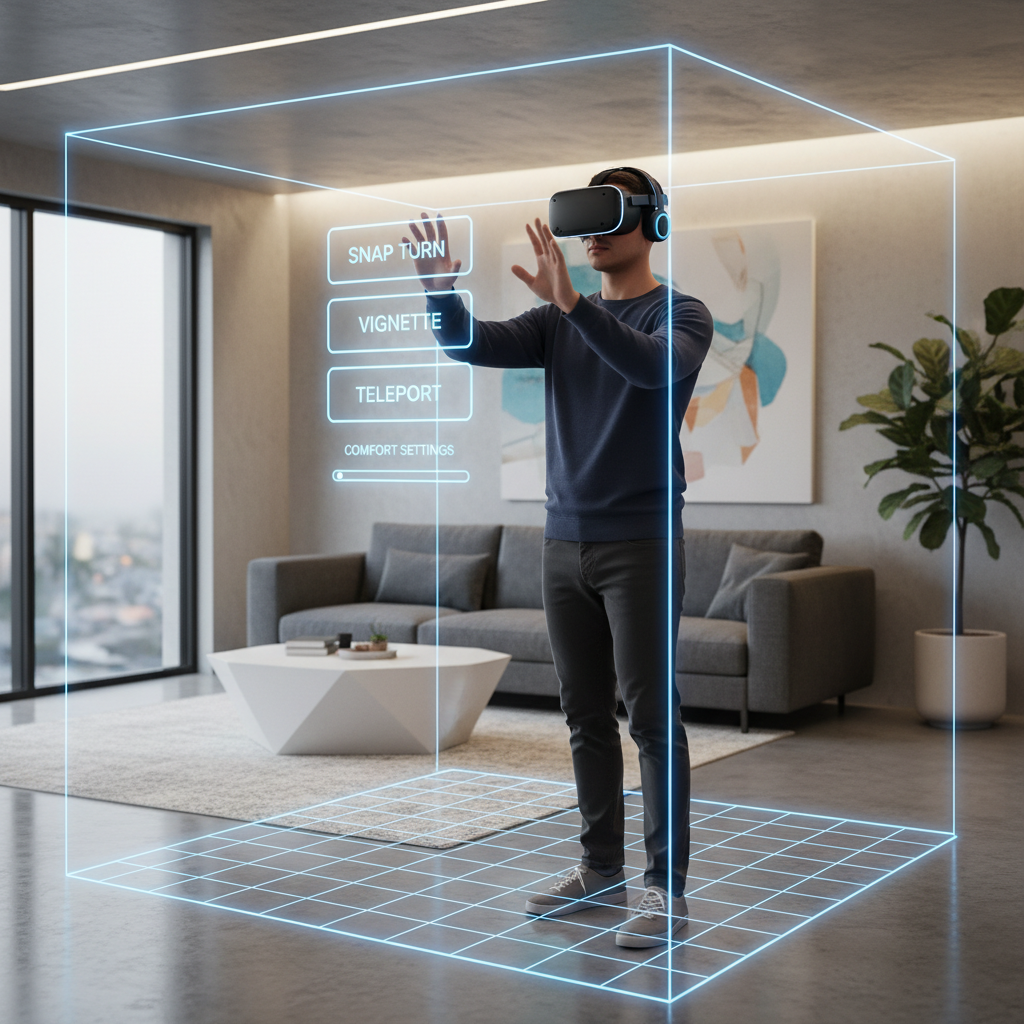
If you’re choosing from the best vr games on meta store 2026 and you plan to go heavy on fitness or fast shooters, comfort and safety aren’t side notes, they’re part of the purchase.
- Motion discomfort: if you feel nausea or headaches, stop and take a break, many people do better with shorter sessions and comfort settings.
- Impact risk: controller straps and cleared space reduce accidental hits on walls, TVs, hands, and faces.
- Overuse: repetitive punching or swinging can irritate wrists or shoulders, if you have prior injuries, it may be worth asking a healthcare professional what intensity is sensible.
According to CDC general physical activity guidance, gradual progression is typically safer than going from zero to daily high-intensity sessions overnight, VR workouts still count as real movement.
Conclusion: a smart way to build your 2026 VR library
The best approach is to buy one anchor game for your main habit, one “social” option for weekends, and one comfort-safe title for tired days, that mix tends to keep headsets from collecting dust.
If you want a simple next step, pick one category from the table above and choose a game with strong comfort options, then adjust settings before your first long session, you’ll get more fun out of almost any purchase.