
The phrase best vr jump scare games 2026 usually means one thing: you want real, involuntary yelps, not slow-burn horror that feels flat once the headset goes on.
But jump scares in VR are tricky, the same scene can be hilarious on a monitor and genuinely overwhelming in a headset, and not every “scary VR” tag actually delivers clean timing, good spatial audio, or the kind of pacing that makes you drop your controller.
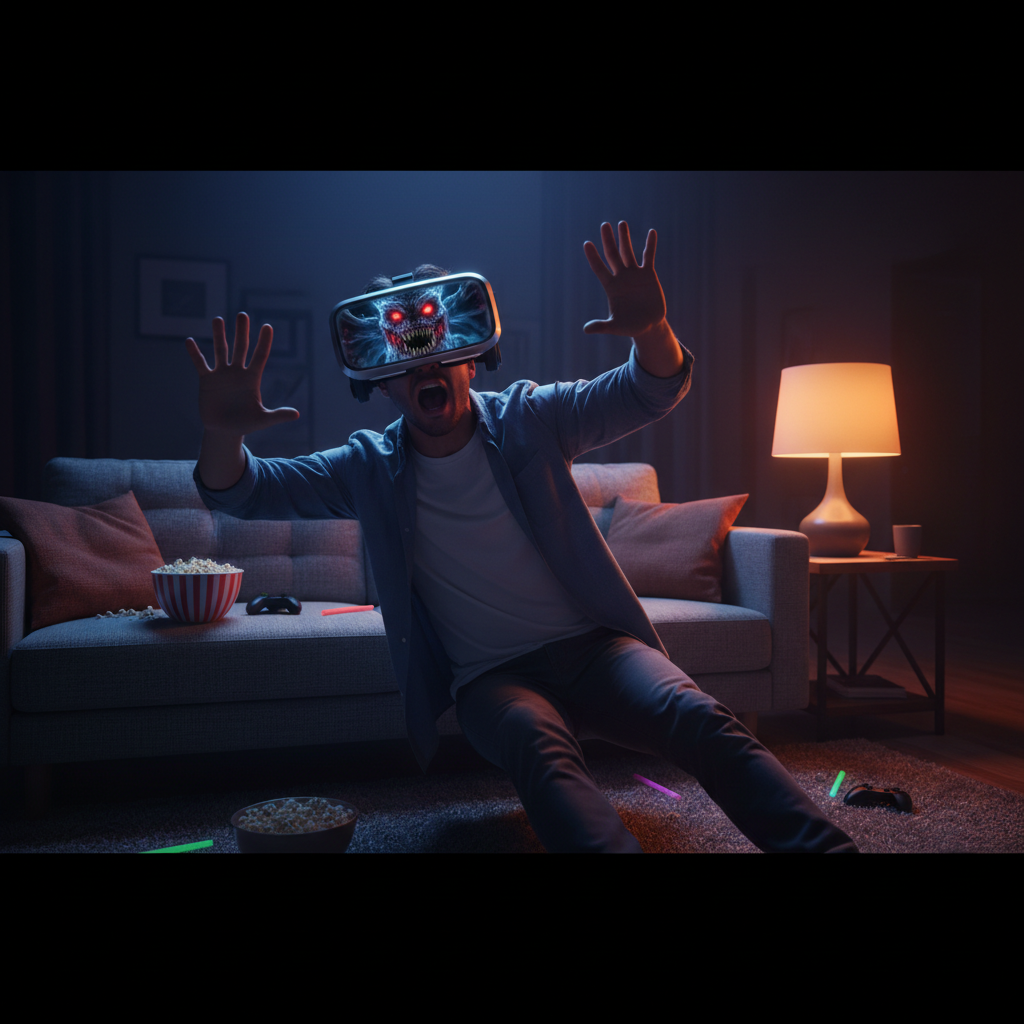
This guide focuses on games and scenarios that tend to land reliable jump scares in VR, plus practical setup advice so the fear feels sharp rather than nauseating. I’ll also call out what to check before you buy, because comfort and locomotion choices matter more here than in most genres.
What makes a VR jump-scare game actually work
In 2026, a “good” VR jump scare usually comes down to craft, not volume. You can spam loud stingers all night, players still get numb fast.
- Spatial audio with direction: you hear the threat behind you, you turn, then the scare hits when your guard drops.
- Room-scale interaction: grabbing a door handle, leaning around a corner, crouching behind a desk, small actions raise tension.
- Pacing and misdirection: quiet moments that feel safe, then a clean beat switch.
- Readable comfort options: vignette, snap turn, seated mode, brightness, subtitles for audio cues, these reduce “VR fatigue” so you can stay scared longer.
According to American Academy of Ophthalmology, VR use can contribute to eye strain and discomfort for some users, so comfort settings are not just “nice to have” if you plan long sessions.
Quick picks: best VR jump scare games 2026 (and why they’re here)
Because platforms and content updates shift, treat this as a “shortlist style” guide: games that are commonly recommended for sharp, memorable scares, plus a few evergreen VR horror staples that still hold up.
Curated list (strong jump-scare energy)
- Five Nights at Freddy’s: Help Wanted 2 (and major updates): tight minigame pacing, very “pop” jump timing.
- Phasmophobia (VR mode): social tension plus surprise events, jump moments feel earned when the hunt starts.
- The Exorcist: Legion VR: episodic structure, close-quarters scares, strong use of proximity.
- Affected: The Manor: theme-park style fright design, consistent scare density.
- The Walking Dead: Saints & Sinners: less pure jump-scare, but sudden grabs and audio-driven surprises hit hard in VR.
- Resident Evil 4 VR: action-horror with frequent “oh no” ambush moments, great for players who want scares without helplessness.
- Lies Beneath: stylized horror, strong atmosphere, jump moments punctuate longer tension arcs.
Some of these lean “arcade scare,” others lean “survival dread,” but each tends to deliver at least a few moments where your body reacts before your brain catches up.
Comparison table: how to choose based on your scare tolerance
If you’re searching for best vr jump scare games 2026 because you want maximum shock, you’ll pick differently than someone who wants scary vibes without panic spirals.
| Type | What it feels like | Good fit if you… | Watch-outs |
|---|---|---|---|
| Arcade jump-scare | Fast setups, big hits | Want immediate screams | Can feel repetitive if overplayed |
| Investigation horror | Slow tension, sudden hunts | Like suspense + surprises | Long sessions can raise motion discomfort |
| Story episodic | Directed scenes, close scares | Want curated horror beats | Less replay value sometimes |
| Action-horror | Fear + agency | Hate feeling helpless | More combat, fewer pure jump pops |
Self-check: before you buy, figure out your “VR scare profile”
This is the part many people skip, then wonder why a top-rated horror title feels either unbearable or weirdly boring.
- Motion sensitivity: do smooth locomotion games make you uneasy after 10–15 minutes?
- Audio tolerance: do loud stingers bother you more than visuals?
- Agency preference: do you enjoy hiding and waiting, or do you need tools and weapons to feel okay?
- Play context: solo in a dark room, or streaming to friends, the same scare lands differently.
- Space and safety: enough room to step back without hitting furniture?
According to U.S. Consumer Product Safety Commission (CPSC), injuries can happen from trips and falls during immersive play, so clearing your boundary and using a wrist strap is not optional when you expect sudden reactions.
Make jump scares hit harder (without ruining comfort)
A common problem: you crank intensity, then end up sweaty, dizzy, and done in 20 minutes. Better approach, tune for sustained fear.
Settings worth adjusting
- Headphones first: even basic closed-back headphones can improve directional cues and timing.
- Brightness and gamma: slightly darker can help, but too dark turns scares into confusion.
- Turn mode: if smooth turning makes you uncomfortable, switch to snap turn and keep playing longer.
- Comfort vignette: reduce it if you can tolerate motion, but don’t force it.
- Haptics: moderate vibration often feels more “real” than max vibration, which can become noisy.
Room setup that prevents “panic accidents”
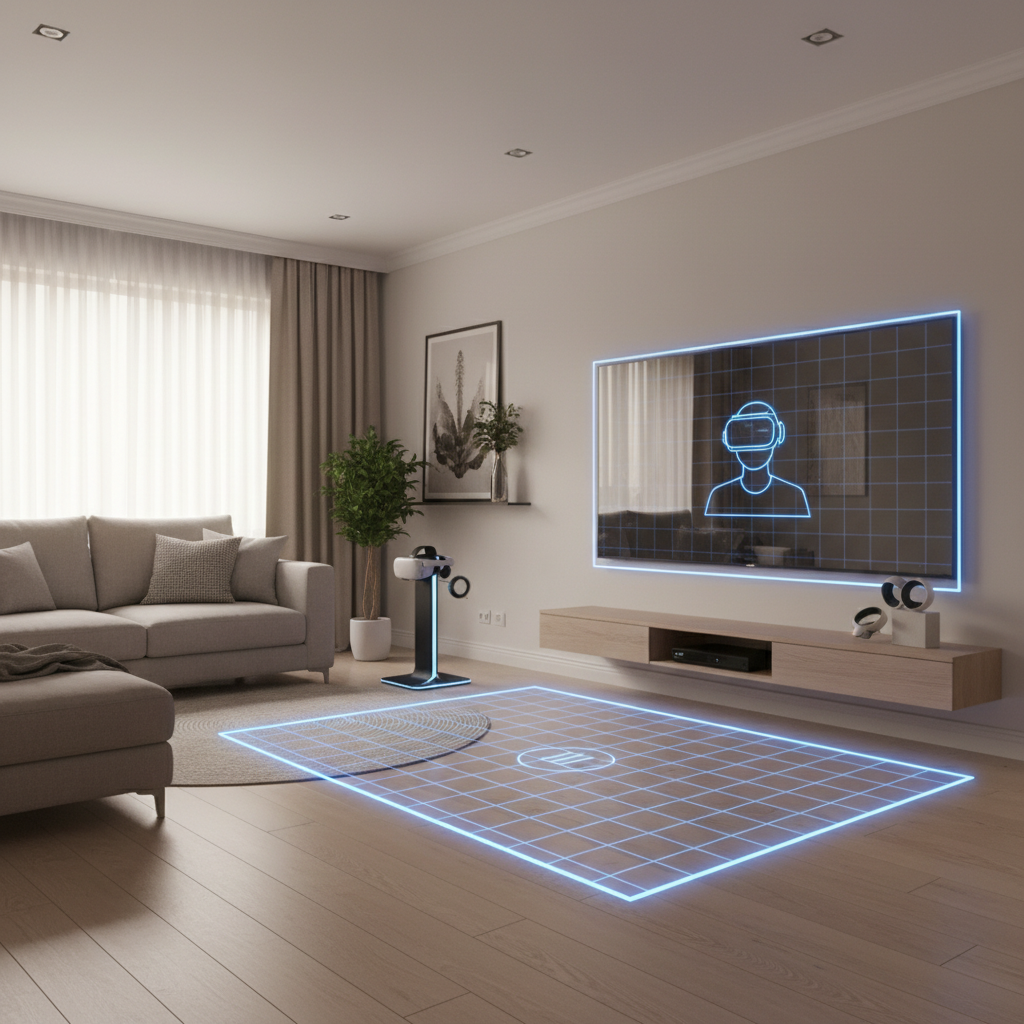
- Keep a clear step-back zone behind you.
- Use the platform guardian/boundary and keep it visible enough to catch you mid-jump.
- Play seated if the game supports it and you know you flinch hard.
Common mistakes that make “scary VR” feel bad instead of fun
People blame the game, but often it’s a mismatch between design and how you’re playing.
- Chasing only the loudest scares: constant shock kills tension, you end up desensitized.
- Ignoring comfort options: nausea overrides fear every time, and it trains you to quit early.
- Starting with extreme content: if you’re new, you may write off the whole genre after one rough session.
- Playing too long: horror fatigue is real, 30–60 minutes can be a sweet spot for many players.
- Bad audio chain: tinny speakers flatten the best scare setups.
When to pause, adjust, or get help
VR horror is supposed to be thrilling, not lingeringly miserable. If you notice headaches, nausea, or anxiety that sticks around after removing the headset, taking a break is a smart call.
- If you get frequent motion sickness, consider shorter sessions and comfort settings, and talk with a healthcare professional if symptoms persist.
- If jump scares trigger panic symptoms or past trauma responses, it may be better to choose lighter horror or non-horror VR for a while.
- If you play with kids or teens, keep content ratings and sensitivity in mind, and supervise as needed.
Key takeaways + a simple action plan
If you came here hunting the best vr jump scare games 2026, the fastest win is picking a scare style that matches your tolerance, then setting up audio and comfort options so you can actually stay in the experience.
- Want instant screams: start with arcade-style jump-scare design, then rotate titles to avoid numbness.
- Want “earned” scares: pick investigation or story-driven horror and wear good headphones.
- Hate nausea: prioritize seated mode, snap turning, and shorter sessions, fear works better when your stomach stays calm.
Pick one game from the shortlist, run a 20-minute comfort test, tweak settings, then commit to a second session before you decide it “isn’t scary.” Many games click once you stop fighting the headset.
FAQ
- What are the best vr jump scare games 2026 for beginners?
Look for titles with strong comfort settings and shorter segments, arcade-style horror often works because you can take breaks between scares. - Which VR horror games have the most consistent jump scares?
Minigame-based or “haunted attraction” style games tend to deliver frequent hits, while story games usually space them out for tension. - Are VR jump scare games safe if I flinch a lot?
They can be, but clear your play area, use wrist straps, and consider seated play; sudden steps backward cause most mishaps. - How do I make jump scares feel stronger without increasing volume?
Use good headphones, lower room lighting slightly, and reduce distractions, timing and directional audio usually beat raw loudness. - Why do some “scary” VR games feel not scary at all?
If your audio is weak, your brightness is too high, or you’re watching a mirrored screen with friends chatting, tension collapses fast. - Do jump scare games cause motion sickness?
Not always, motion sickness is more tied to locomotion style and turning; choose snap turn and comfort options if you’re sensitive. - Should I play VR horror alone or with friends?
Alone often feels more intense, but co-op can be more fun and less overwhelming, many people stick with the genre longer that way.
If you’re trying to build a small “VR horror night” rotation, keep it simple: one high-density jump-scare title, one slower investigation game, and a comfort-friendly option for guests who tap out early. It saves money, and it keeps the screams honest.