
best vr mech sim 2026 searches usually mean one thing: you want that cockpit-heavy, weighty “I’m inside a machine” feeling, without buying a game that looks cool in trailers but feels awkward after an hour.
Mech sims in VR are a special kind of picky, small annoyances become dealbreakers fast, like unreadable cockpit text, motion that makes you queasy, or controls that never quite match what your hands expect.
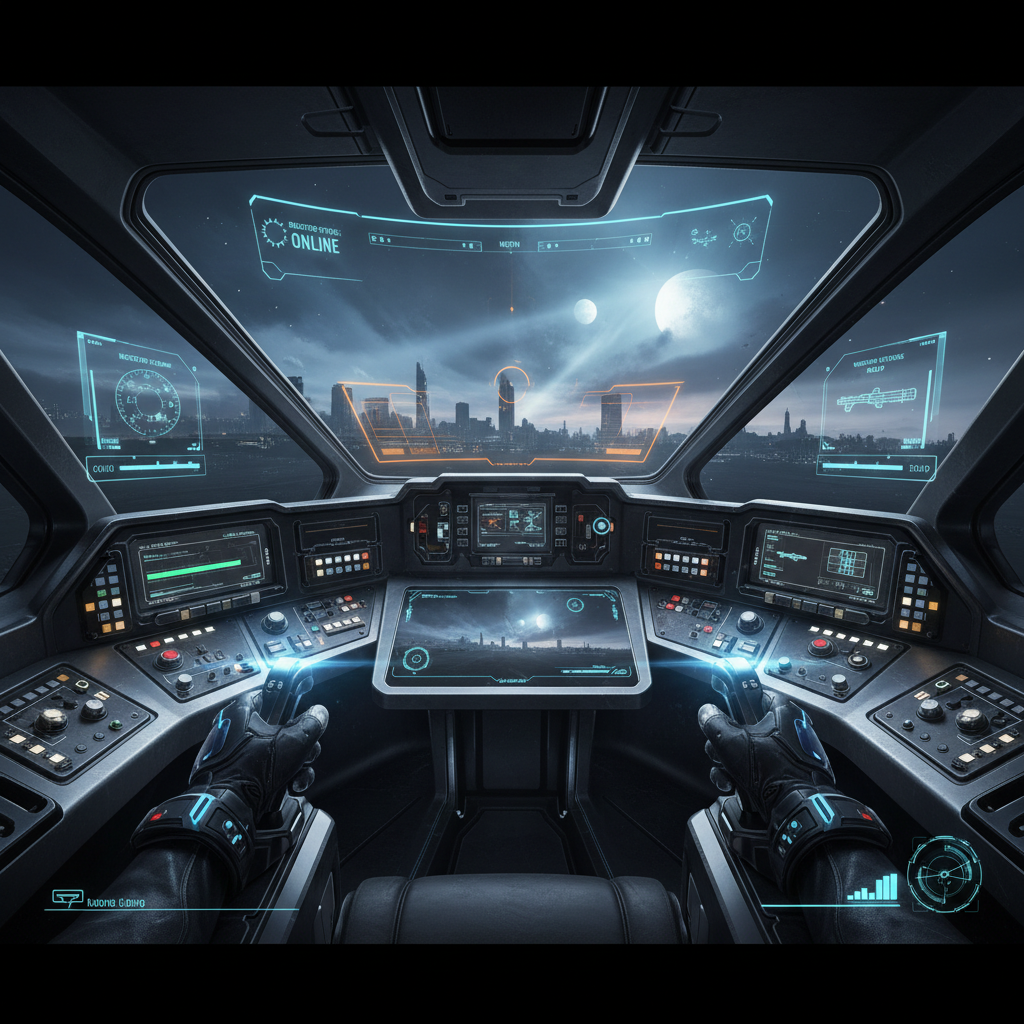
This guide keeps it grounded: what to look for in a 2026 VR mech sim, how to tell which “type” fits you, and a short list of recommendations by play style. No pretending there’s one perfect answer for everyone.
What “best” means in a VR mech sim (it’s not just graphics)
A lot of games can render a mech, fewer can sell the fantasy of piloting one. When people stick with a VR mech title, it usually nails a few practical pillars.
- Cockpit readability: text size, contrast, and layout matter more than you think, especially on standalone headsets.
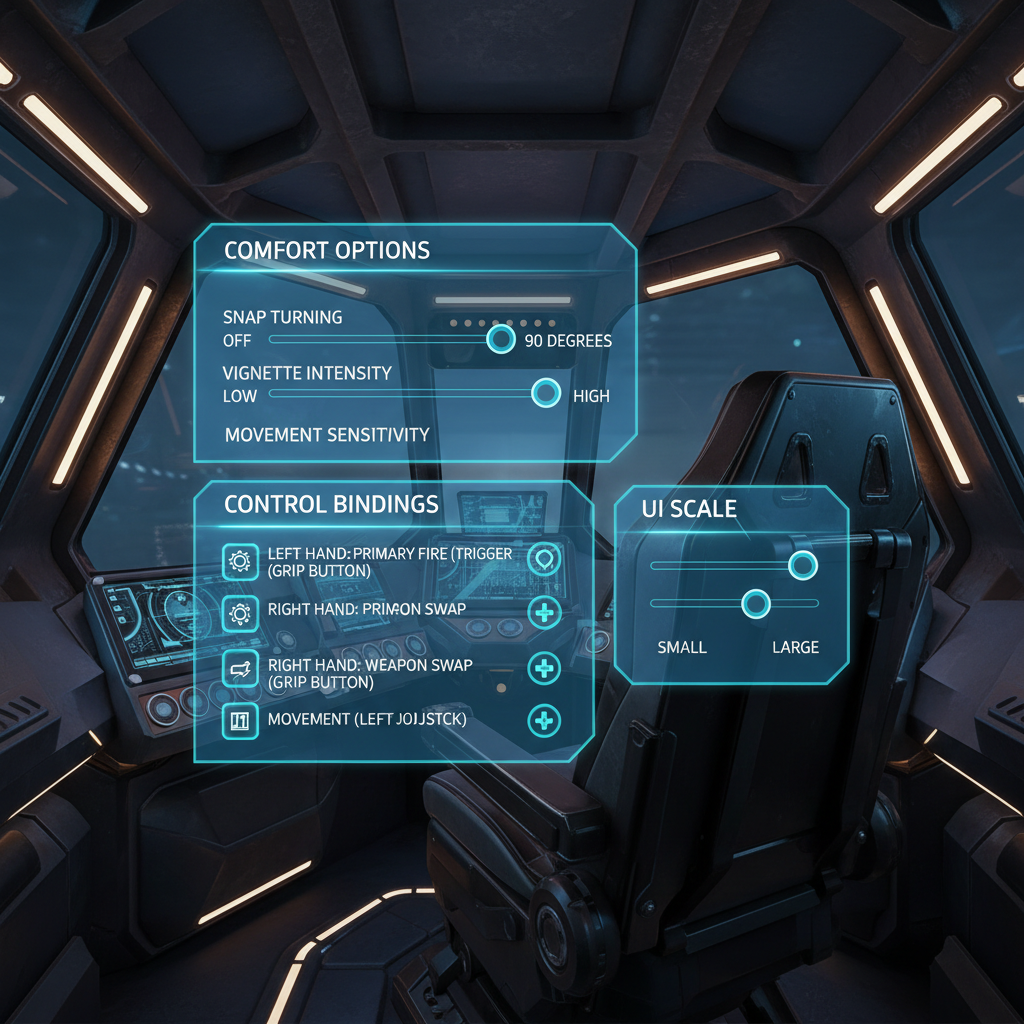
- Comfort options: turn settings, vignette, seated mode, and adjustable acceleration curves keep more players in the game.
- Input mapping that “clicks”: motion controls, HOTAS, gamepad support, and smart defaults can make or break immersion.
- Weight and feedback: audio design, haptics, weapon recoil, and “inertia” tuning create that heavy-machinery vibe.
- Mission structure: short, replayable sorties work well in VR; long sessions need strong pacing and saving.
According to Meta (Quest safety and comfort guidance), users should take breaks and use comfort settings when experiencing discomfort. In practice, the best VR mech sim for you is often the one you can play longer without feeling worn down.
Quick comparison table: how to choose in 60 seconds
If you’re trying to pick from a shortlist, don’t start with store screenshots. Start with your hardware, tolerance for motion, and how “sim” you want the sim to be.
| What you want | Look for | Green flags | Red flags |
|---|---|---|---|
| Maximum immersion | Physical cockpit interactions | Hand-tracked switches, readable panels, seated-friendly | Tiny text, cluttered HUD, forced standing |
| Competitive challenge | Skill ceiling + fair PvP/PvE | Clear hit feedback, matchmaking options, practice modes | Unclear damage, inconsistent netcode, no training |
| Comfort first | Comfort locomotion + options | Snap turn, speed sliders, vignetting, teleport variants | Only smooth turning, fixed acceleration |
| Controller/HOTAS feel | Strong input support | Rebindable controls, presets, deadzone settings | No rebinding, “floaty” aim, awkward gestures |
The 4 main “types” of VR mech sims in 2026
When someone says they want the best vr mech sim 2026, they usually mean one of these categories. Knowing your type avoids expensive trial-and-error.
1) Cockpit sim-first (slow, heavy, tactile)
This is for players who want toggles, systems, and a sense of operating a machine. It’s often slower paced, and can be more demanding on readability and control mapping.
- Best if you like: managing heat, ammo, power, targeting modes
- Not ideal if you want: instant action, minimal UI, arcade pacing
2) Action-first brawler (fast, flashy, “game feel”)
More emphasis on combat loops and spectacle, less on procedures. Comfort can be tricky because speed sells the fantasy but can stress motion tolerance.
- Best if you like: melee, dodges, big weapon effects, short missions
- Watch for: strong comfort toggles, predictable acceleration
3) Tactical/mission-driven (planning, roles, teamwork)
These shine when objectives, positioning, and team roles matter. The “sim” part is often in decision-making, not switch-flipping.
- Best if you like: coordinated pushes, loadout planning, comms
- Watch for: lobby health, solo viability, AI quality
4) Hybrid sandbox (mods, scenarios, experimentation)
If you enjoy tinkering, replaying custom missions, or building a hangar fantasy, hybrid sandboxes can be sticky. The tradeoff is uneven polish, depending on the game and its community.
- Best if you like: experimentation, custom missions, long-term replay
- Watch for: unclear onboarding, inconsistent quality across content
My short list: “best VR mech sim 2026” picks by scenario
I’m not going to pretend there’s one universal winner, because your headset and comfort profile change the outcome. Here are practical picks based on what most US players actually optimize for.
- Best for cockpit immersion: choose a title that prioritizes readable instrumentation and hands-on interactions, even if the mission count is smaller.
- Best for pick-up-and-play action: choose the game with the cleanest combat readability, strong haptics, and short missions that feel good in 15–25 minutes.
- Best for multiplayer tactics: pick the one with active lobbies in your region, role clarity, and a practice mode that teaches weapon ranges and movement.
- Best for HOTAS/sim gear: prioritize robust rebinding, deadzone curves, and stable performance; cockpit sims tend to reward this setup more.
If you’re comparing two finalists, the tie-breaker is usually comfort options and control customization, not the marketing bullet points.
Self-check: are you likely to love it or refund it?
Use this before you buy, it saves a surprising amount of frustration.
- You’ll probably love it if you enjoy seated VR, can tolerate smooth turning (or the game offers snap turn), and you like mastering a control scheme over a few sessions.
- You might bounce off if you hate reading cockpit UI, get motion discomfort quickly, or you expect “hands = perfect controls” without tweaking bindings.
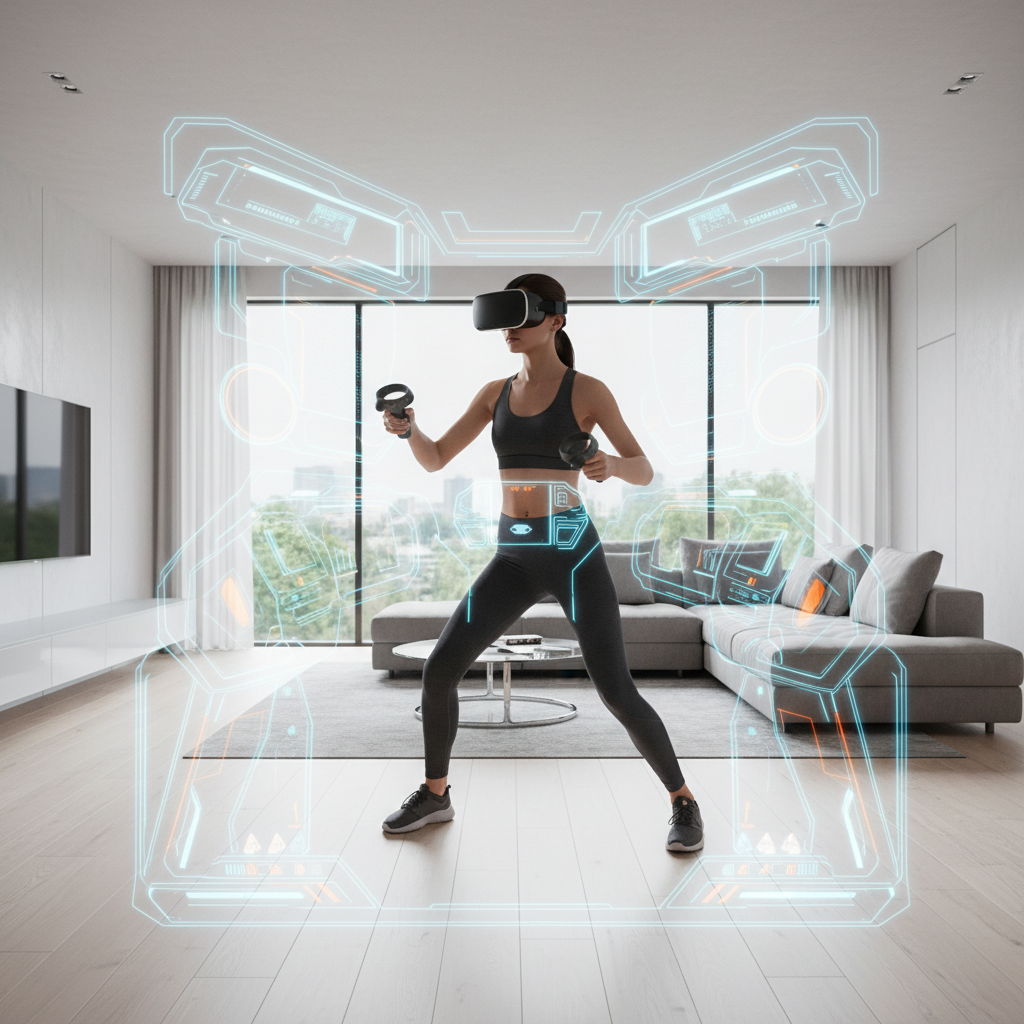
- You should be extra cautious if you want room-scale swordplay energy, because most mech sims are better seated and forward-facing.
According to Mayo Clinic (motion sickness overview), symptoms can include nausea and dizziness, and triggers vary by person. If you regularly get motion sickness, lean toward games with strong comfort settings and consider consulting a clinician if symptoms feel severe.
Practical setup tips that make a bigger difference than you expect
This is the “unsexy” part, but it’s often what turns an okay VR mech sim into the one you keep installed.
Dial in comfort first
- Start seated, use snap turn, lower movement speed, and increase vignette until you feel stable.
- Keep sessions short early on, your tolerance often improves gradually.
- Turn off unnecessary camera shake if the game allows it.
Fix readability and aiming
- Increase UI scale and contrast, reduce HUD clutter where possible.
- Set controller deadzones and sensitivity, especially for small aim corrections.
- If the game supports it, test both motion controls and gamepad, one may feel more “mech-like” for you.
Performance is comfort
- Prioritize stable frame pacing over ultra settings on PC VR, spikes feel worse than lower fidelity.
- On standalone, close background apps and keep the headset cool to reduce throttling.
Common mistakes when shopping for a VR mech sim
A few patterns show up again and again, especially when someone is chasing the best vr mech sim 2026 and ends up disappointed.
- Buying for “realism” without checking onboarding: realism feels good only when the game teaches you what matters.
- Ignoring session length: a mech campaign that assumes 60–90 minute runs can be rough in VR unless saving is generous.
- Assuming all headsets read UI equally: small text that looks fine on one headset can be tiring on another.
- Skipping control rebinding: ten minutes in settings often fixes what feels “wrong” in combat.
Conclusion: what I’d do if I were picking today
If you want the best vr mech sim 2026 experience, I’d make the decision in this order: comfort options, control customization, cockpit readability, then content depth. That ranking sounds boring, but it matches how VR sessions actually succeed or fail.
Action step: pick your “type” from the four categories above, then shortlist two games and check whether they offer the comfort and control features you personally need, not what a trailer implies.
If you’re still torn, choose the title that looks easiest to play for 20 minutes on a weeknight, that’s usually the one you’ll master.